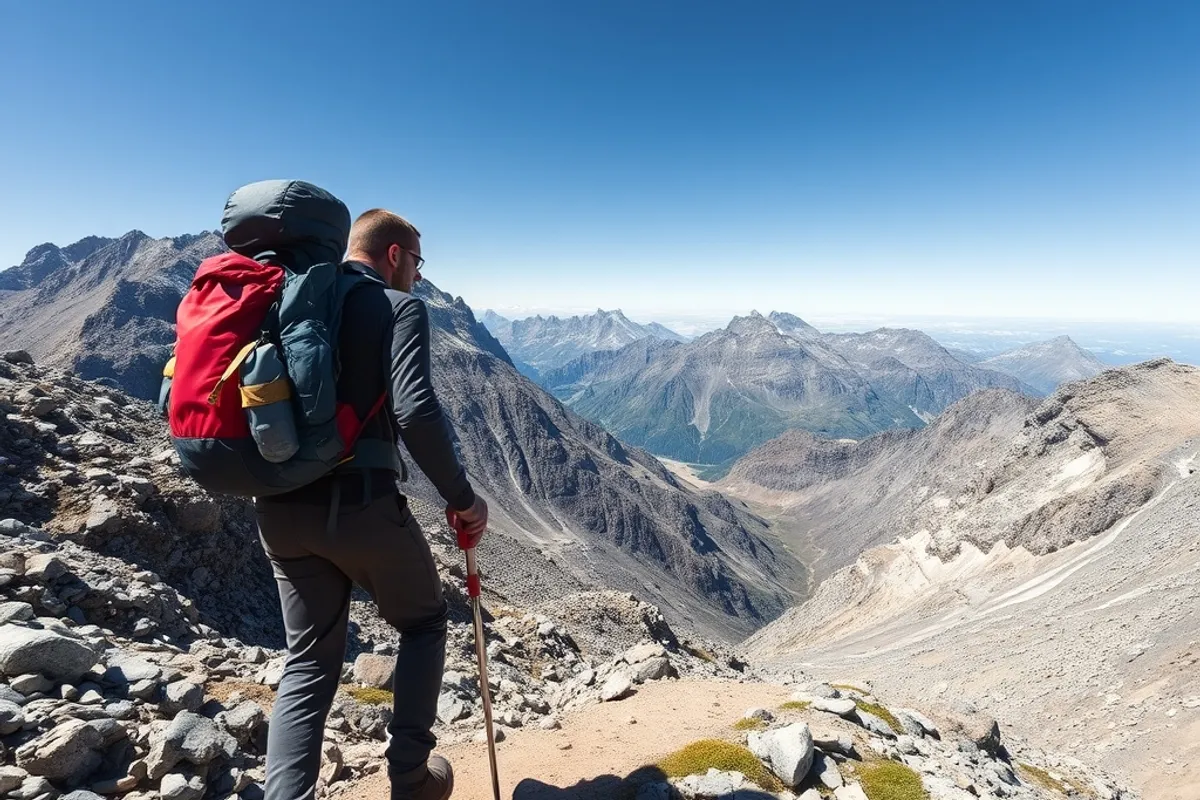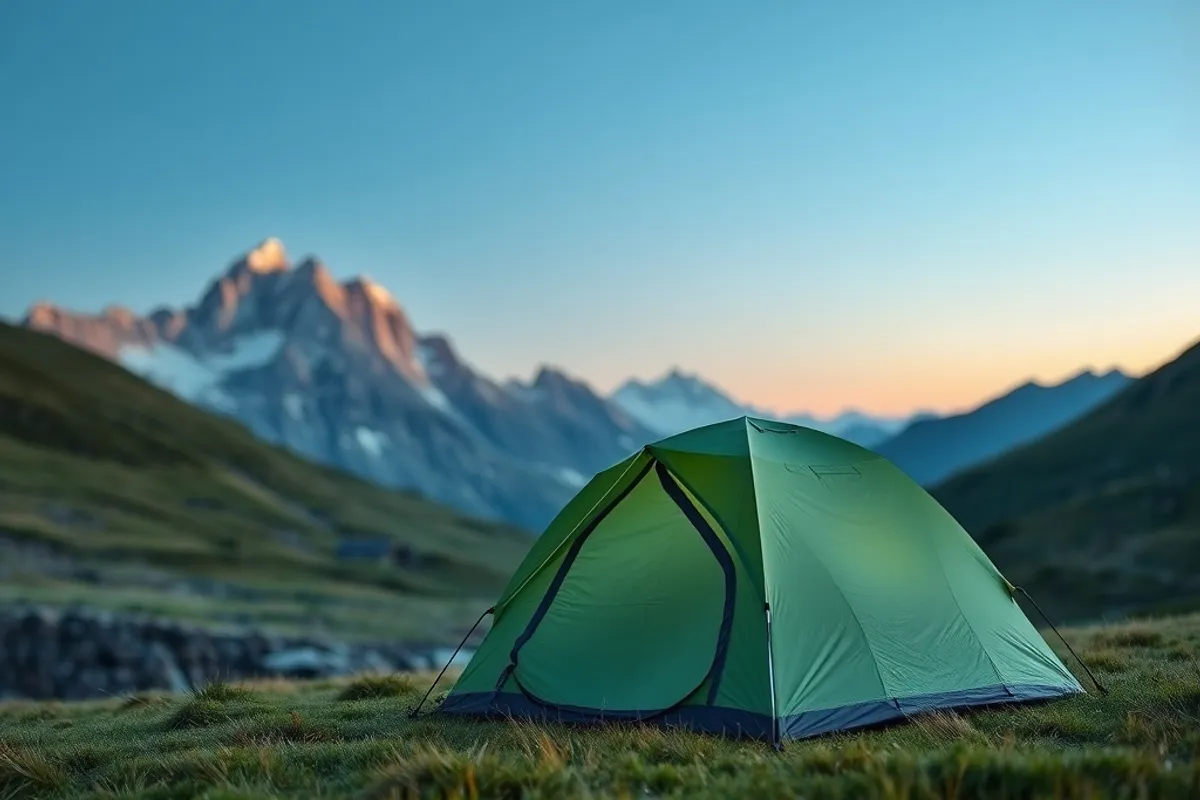
Wild camping in the Alps is a legal patchwork, and most of the bad experiences I heard about in 2026 came from people who assumed one rule covered the whole range. It does not. France, Italy, Switzerland, Austria and Slovenia each treat the practice differently, and some regions add their own rules on top. The good news is that a little homework buys you some of the quietest nights in Europe.
Why the rules differ so much
Alpine land is a mix of national parks, private pastures, forestry and municipal ground. A spot that is legal in one valley can be a fine in the next, because the responsible authority changes with the map line. The practical rule is to treat the treeline and the reserve boundary as the borders that matter, then confirm locally before you pitch.
Switzerland generally allows a single night above the treeline away from protected areas, while parts of Italy and Austria restrict camping to designated sites. In France, wild camping is often tolerated on public land far from roads, but banned in many nature reserves and on private pasture. When in doubt, ask at the tourist office or a mountain hut; they know the local line better than any forum.
Reading the terrain before dark
Arrive at your pitch with light to spare. I look for flat, well-drained ground above the valley floor, away from watercourses that can rise after rain, and clear of the dead trees that fall in a storm. A site beside a stream looks idyllic and turns into a river after an afternoon thunderstorm higher up.
Avoid pitching on pasture with livestock, and never in a reserve or a protected meadow. Move off the trail by a few dozen metres but stay within sight of it, and keep the site small. The discipline is simple: if you cannot find a legal, sensible spot, walk to the next valley or pay for a campsite.
Season and weather reality
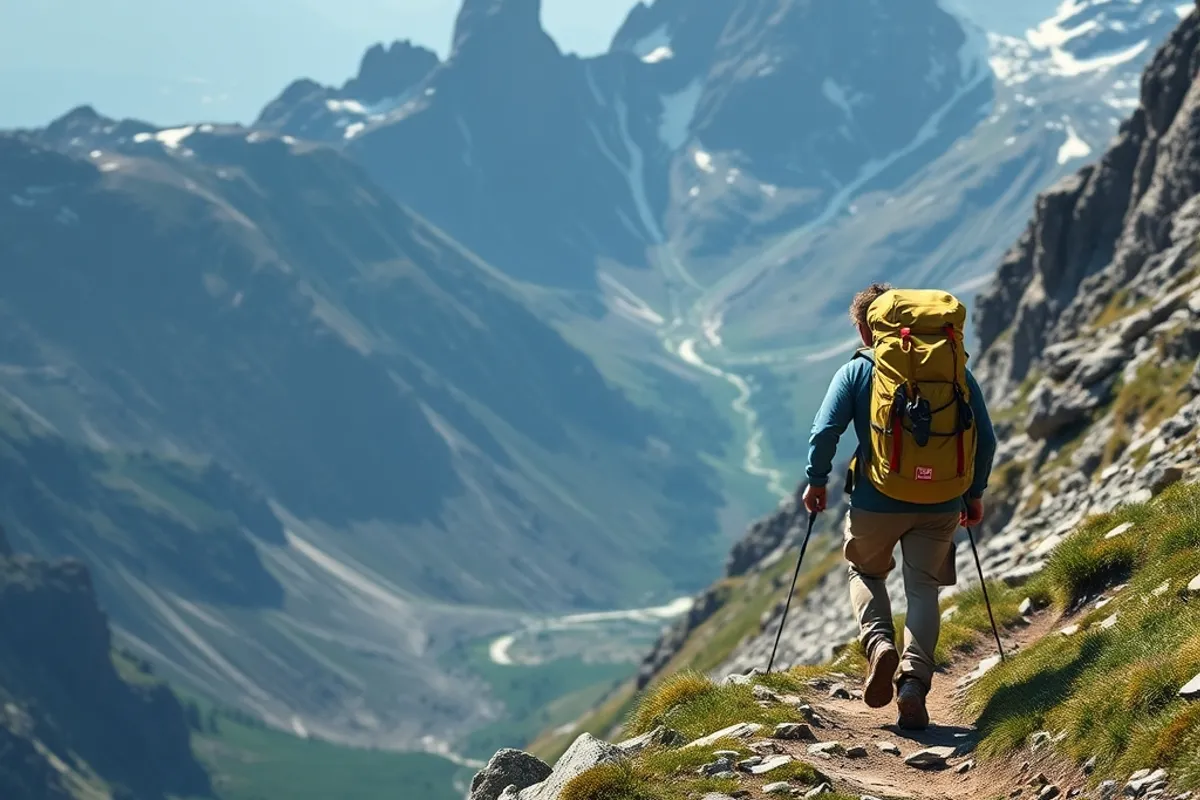
The comfortable window runs from late June to mid-September. Snow can linger on high passes into July, and the first autumn storm can arrive in the second week of September. Afternoon thunderstorms are common in July and August, which is another reason to pitch early and walk the exposed sections in the morning.
Check the forecast the night before and again at breakfast, and have a lower bail-out route ready. In the Alps the weather turns faster than in most ranges I have walked, and a pass that is calm at noon can be a whiteout by four. The Red Cross first-aid guidance is worth reading before a remote trip, because help is hours away.
The gear that earns its weight
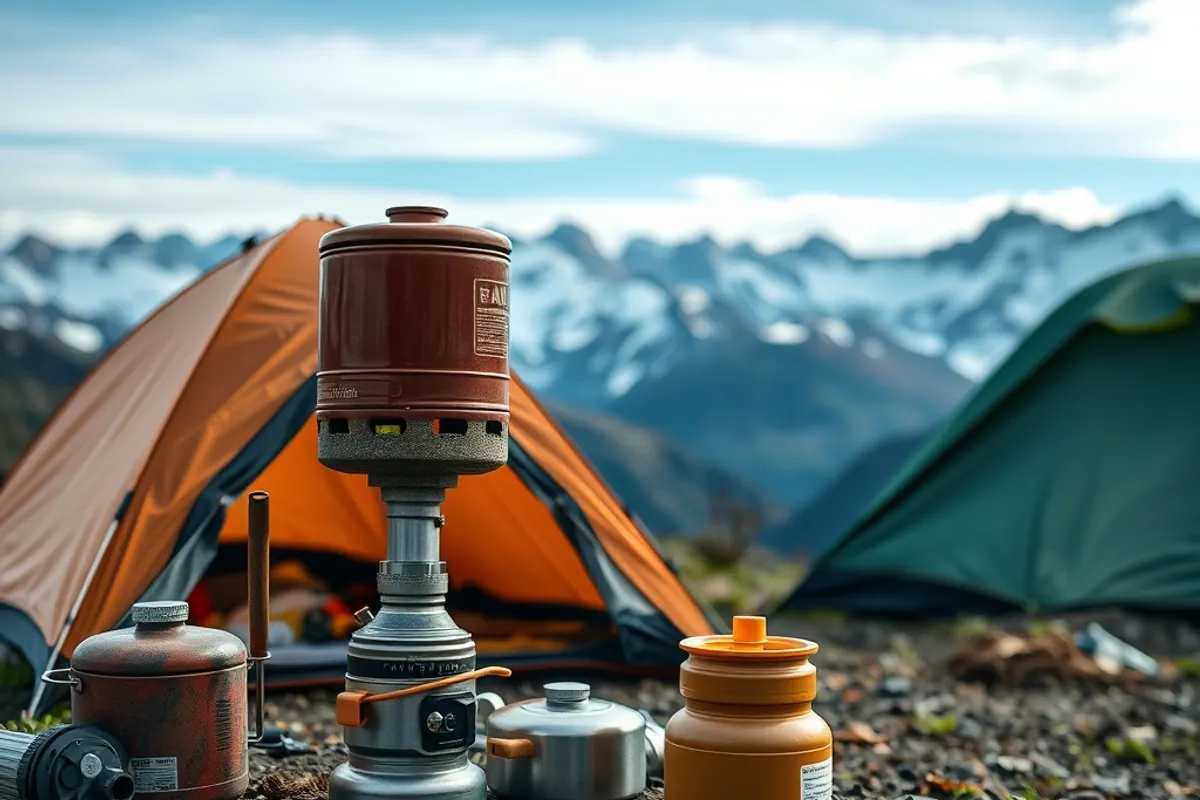
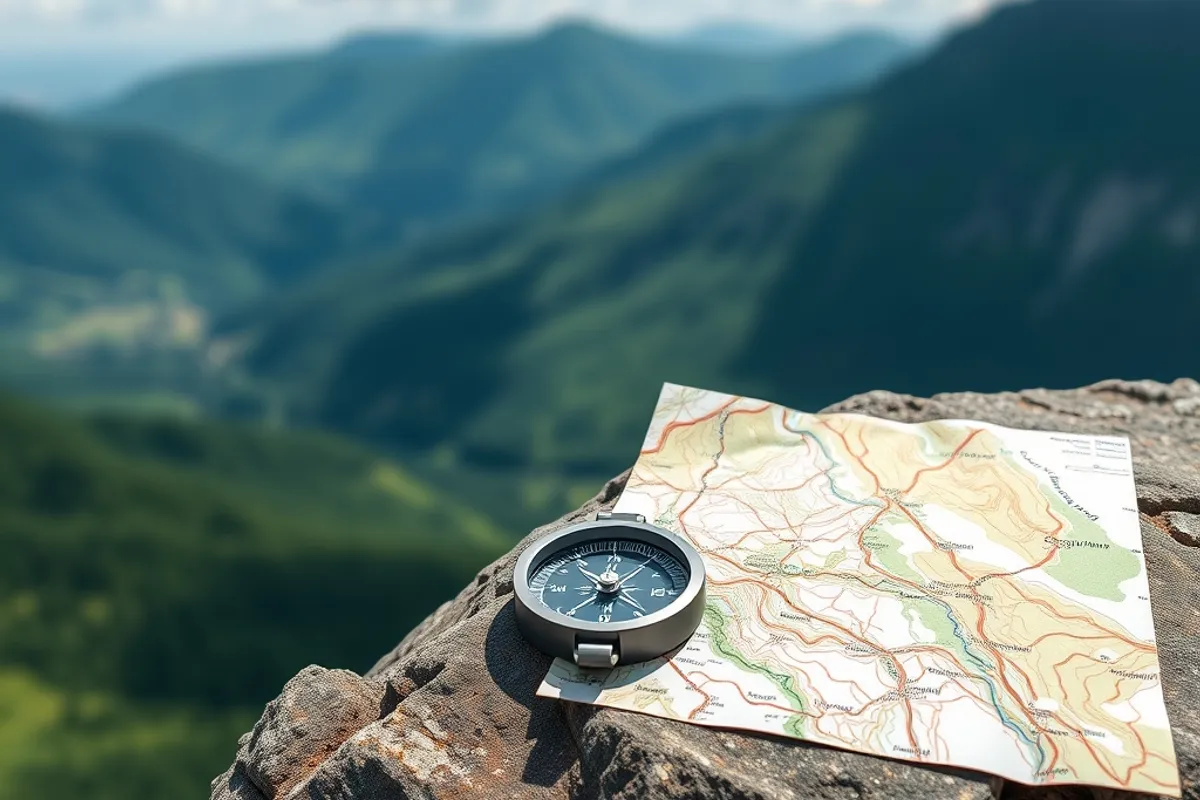
A three-season tent, a sleeping bag rated to about five degrees, a mat with a decent insulation value and a stove you can use inside the vestibule cover the basics. Add a headlamp, a paper map, a power bank and a repair kit with a few metres of tape and a spare buckle. Gadgets are optional; warmth, water and navigation are not.
- Tent: freestanding, double-wall, under two kilograms if you can afford it.
- Bag: a comfort rating around five degrees, plus a liner for cold nights.
- Water: a filter or tablets, because alpine streams are not always clean.
- Layers: a hard shell, a warm mid-layer and a dry spare set for camp.
The best wild camp is the one you leave looking untouched. Nobody remembers your tent; they remember whether the meadow was still clean.
Routes that suit a tent
Long-distance trails such as the Tour du Mont Blanc and the Alta Via routes pass through villages, which makes them easy to combine with campsites and huts. For genuine wild nights, look at the quieter valleys of the Swiss and Italian Alps, where a loop of three or four days can keep you above the tree line without crossing a legal boundary twice a day.
I plan routes of about 12 to 18 kilometres a day when carrying a full pack, which leaves time to find a pitch and cook before dark. Trying to match a fast day-hiking pace with a tent on your back is how people end up camping somewhere they should not.
Leave no trace, and stay welcome
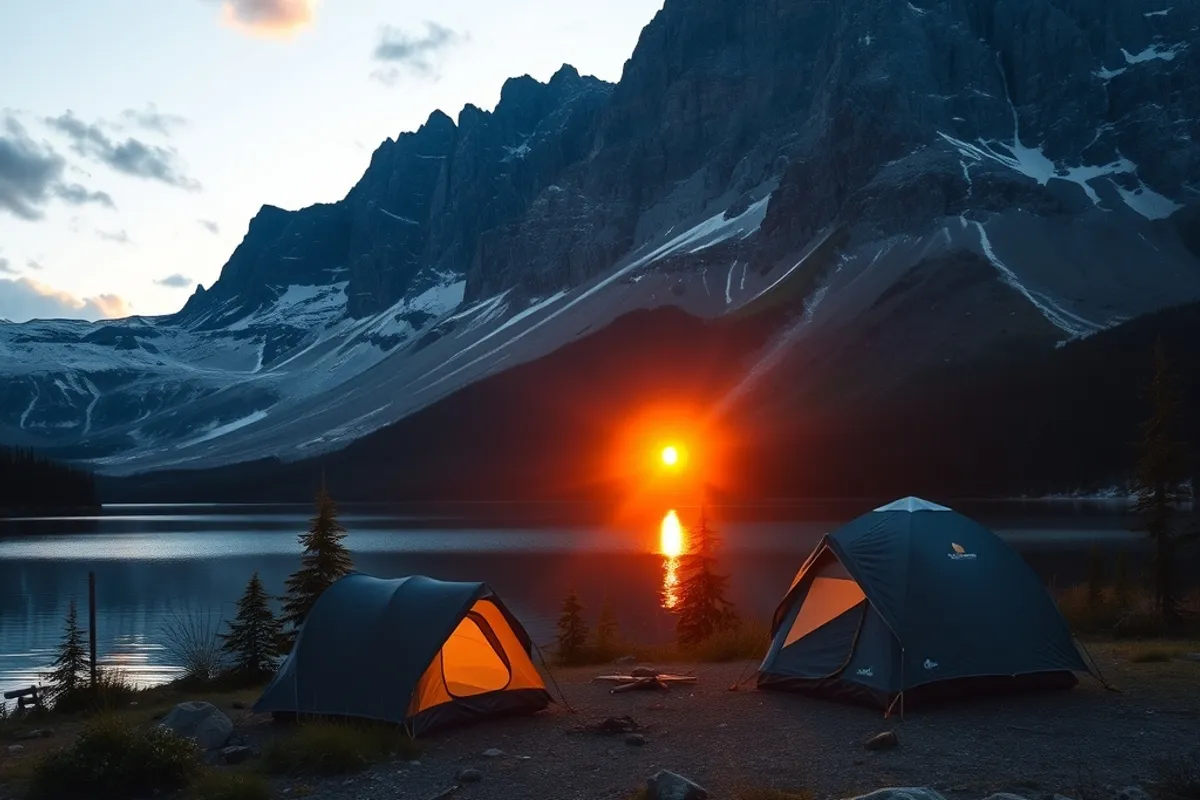
Carry out everything, bury nothing, and cook on a stove rather than an open fire. Use existing fire rings only where fires are allowed at all, which is rarer than most people assume. Keep noise down after dark, and give wildlife and grazing animals a wide berth.
The reason to follow the rules is not only the fine. Wild camping survives in the Alps because enough people have done it quietly, and a few careless seasons would close the remaining tolerant areas for everyone. Treat a legal pitch as a privilege that has to be re-earned each year.
If your summer plans lean colder and windier, the planning notes in our Patagonia trekking guide cover a similar kit list in a harsher climate. For a warm bed at the end of a wet week, the green hotel check-in guide covers how to ask for the room and the housekeeping schedule you actually want.