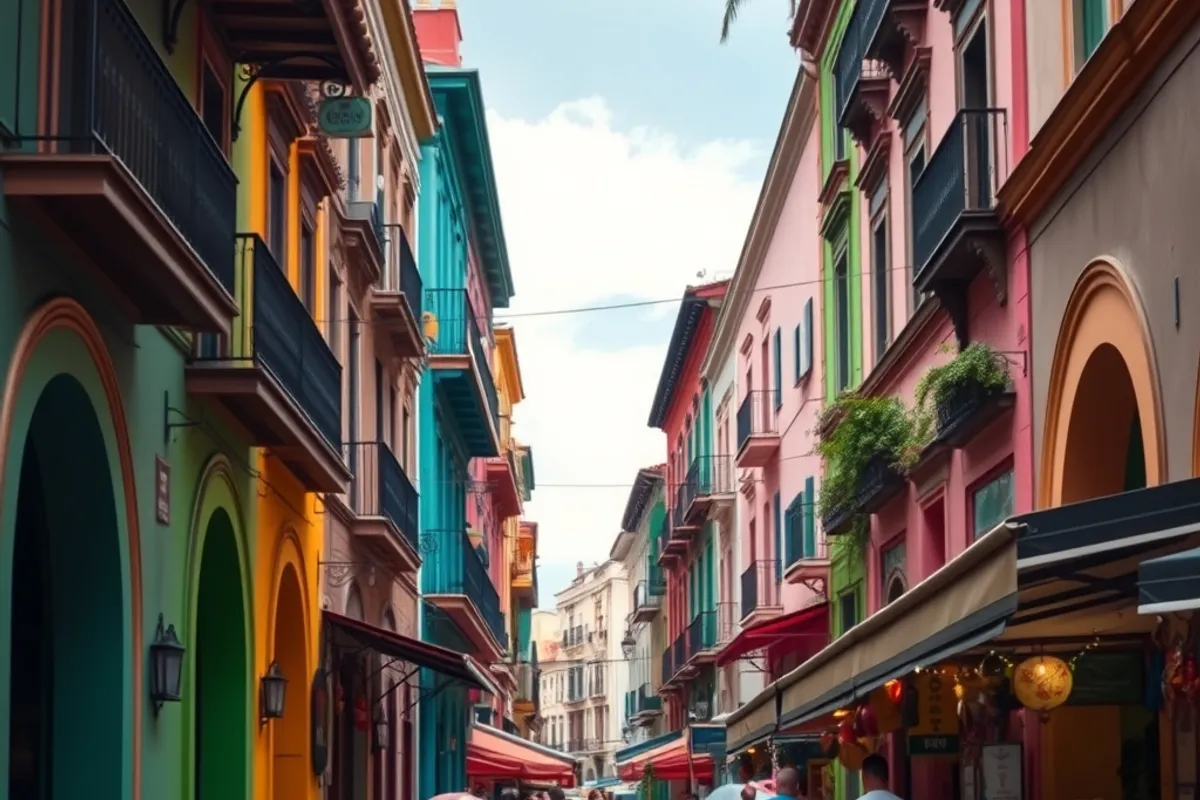
Mexico City is huge, loud and, once you understand the map, remarkably easy to move around. In 2026 I spent three weeks spread across its central neighborhoods, ate from street stands and market stalls, and rode the metro more than any taxi. This guide covers where to sleep, how to pay for transit, what meals cost and the day trips that justify a whole day.
Neighborhoods and where to sleep
Roma and Condesa are the easiest first stop: leafy streets, cafes, galleries and a walkable centre with plenty of small hotels. Polanco is quieter and more expensive, close to the museums of Chapultepec. Coyoacan, in the south, feels like a town of its own and suits anyone staying more than a few days. Centro Historico is central and cheap but noisy, and the evenings thin out in some blocks.
I would spend the first two nights in Roma, then move south to Coyoacan for the weekend. Booking a room on a quiet side street matters more than the neighborhood name; the main avenues carry traffic late into the night. Ask for an inner-courtyard room if the building has one.
Getting around: metro, metrobus and taxis
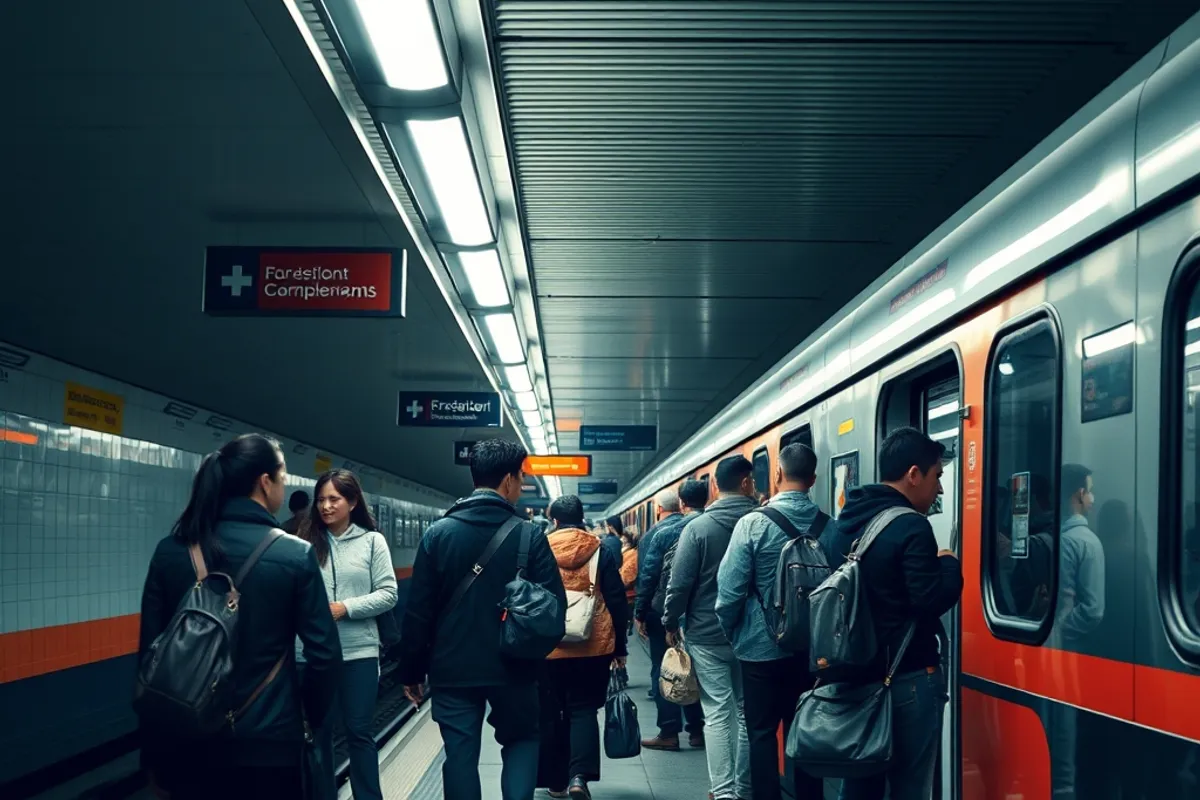
The metro is fast, cheap and the best way to cross the city when traffic is at its worst. Buy a rechargeable transit card at any station, top it up, and you are set. The metrobus covers routes the metro misses, and the fare system is similar. Both get crowded at rush hour, so plan sightseeing around the peaks.
Ride-hailing apps work well and are the simplest option at night or with luggage. Street taxis are best avoided unless you know the route and the fare. Keep small change for the metro gates and expect security checks at the larger stations; they are routine and quick.
Food: markets, tacos and real meals
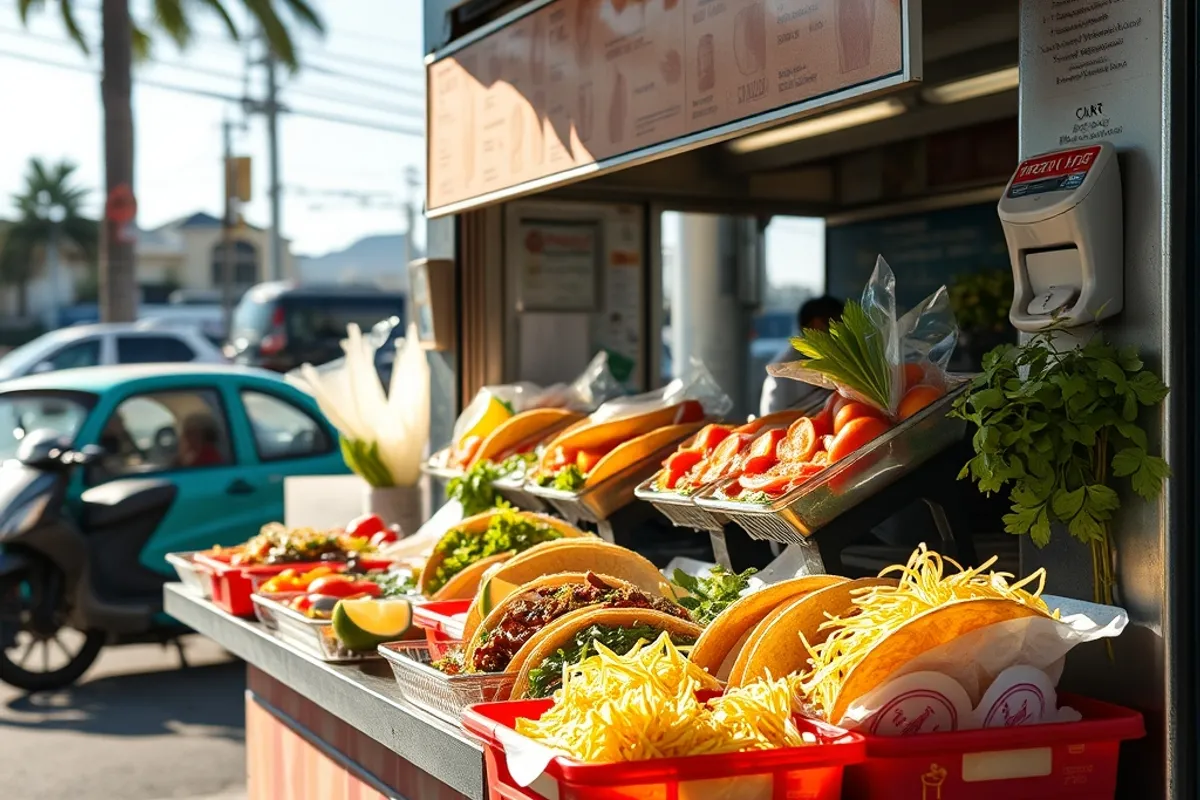
The food is the reason to come, and it is cheaper than most visitors expect. Street tacos ran 15 to 30 pesos for the standard fills, and a market breakfast of eggs, tortillas and coffee cost less than a takeaway sandwich at home. Sit-down dinners in Roma or Condesa landed between 250 and 500 pesos with a drink.
Eat where the queue is local and the turnover is high. Markets such as San Juan and Medellin in Roma are good for a grazing lunch, and the big central market is worth a morning even if you only buy fruit. Drink bottled or filtered water, and take it easy on the very spicy salsas until your stomach has adjusted.
- Breakfast: tamales, chilaquiles or a concha with coffee.
- Lunch: tacos al pastor, quesadillas or a market comida corrida.
- Snack: fresh fruit with chilli and lime from a stand.
- Dinner: a proper sit-down meal in Roma, Condesa or Coyoacan.
Mexico City rewards the walker who stops for the second breakfast. The best meals were never on the list I had planned.
Museums, landmarks and timing
Book the big museums in advance and go at opening. The anthropology museum can take half a day; the Frida Kahlo house in Coyoacan needs a timed ticket and sells out. The Zocalo, the cathedral and the ruins in the centre fit into a single morning if you start early and keep moving.
Altitude is the trap, not the heat. The city sits above 2,200 metres and the first day is better spent walking slowly than climbing pyramids. Give yourself two days before any strenuous excursion, and drink more water than feels necessary.
Costs and money
My average day ran 900 to 1,500 pesos including a hotel room, three meals, transit and one museum. That is comfortably mid-range; it is easy to spend less by eating street food and using the metro, or more with a Polanco hotel and a fine-dining dinner. Cards are accepted widely, but markets and street stands still want cash.
Use bank ATMs rather than the standalone machines in tourist areas, decline the offered conversion rate, and carry a few hundred pesos in small notes. Tipping around 10 percent is normal in restaurants.
Day trips worth the time
The pyramids at Teotihuacan are the classic day out and justify an early start before the heat and the crowds. Puebla is a longer trip but gives you a colonial centre, a food scene and a much calmer pace. Xochimilco, with its boat canals, is closer and better on a weekday.
If you only have one free day, take Teotihuacan. Go with a small group or a reliable driver, leave before seven, and be back in the city by mid-afternoon.
Practical notes before you go
Pack layers, comfortable shoes and sun protection, and keep a copy of your passport offline. For health and safety basics, the Red Cross guidance is a sensible read before a long trip. If you are comparing cities for the same trip, our Istanbul city guide covers a very different rhythm, and the eco hotel picks for Europe list small stays with the same local character.