Adventure travel with the logistics left in. Season windows, permits, trail difficulty, what to carry, and what a trip costs once gear and park fees are added up, written by people who walked it.
How we plan a route
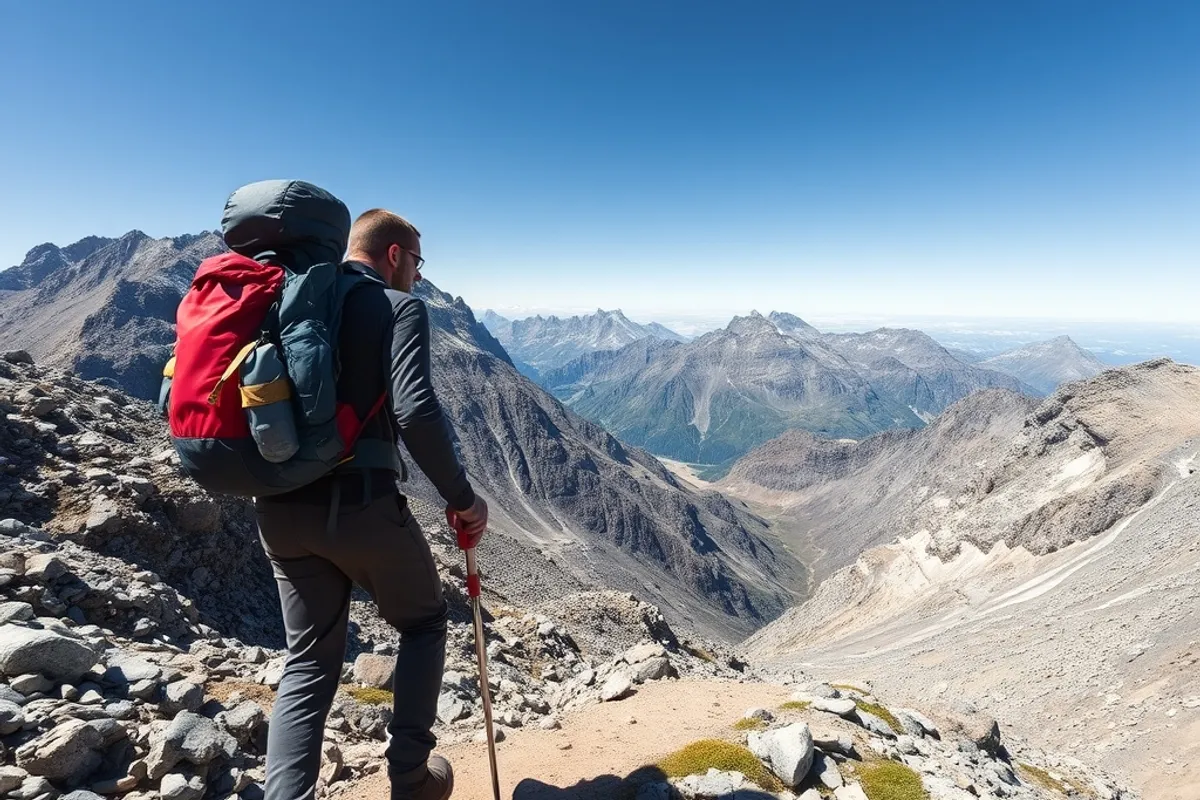
A route is a sequence of days, not a list of highlights. We start with the season, then the permit, then the daily distance, and only then the scenery. A trip that looks manageable on a map can be miserable with a 12-kilogram pack and 900 meters of climb. We publish realistic days, rest days and the exit options if the weather turns.
Permits, seasons and costs
Some parks require a guide, some require a fixed itinerary, and some sell out months ahead. We check the official rules rather than a reseller page, and we note the cancellation terms. Shoulder season is often the best compromise: fewer people, stable enough weather and lower hut prices. The trade-off is colder nights and a higher chance of a closed pass.
Gear and safety
Boots, layers and blister care matter more than gadgets. We test the kit on consecutive days, because the second day is where bad choices show up. We also carry a paper map, a headlamp and a basic first-aid kit, and we read the Red Cross guidance before a remote trip. Help is often hours away, so the plan should not depend on a phone signal.