Patagonia is not one trail. It is a cluster of routes strung across two countries and a weather system that ignores your itinerary. In 2026 I walked the W in Torres del Paine, crossed into Argentina for the Fitz Roy approach, and spent the leftover days on the Carretera Austral side trips that most three-day visitors skip. This is the planning layer: permits, season windows, daily distances and the costs that surprise first-timers.
Where Patagonia actually is
The region spans southern Chile and Argentina, and the two halves do not share a single gateway. Chilean Patagonia is reached through Punta Arenas and Puerto Natales, the town that feeds Torres del Paine. Argentine Patagonia starts at El Calafate for the glaciers and El Chalten for the Fitz Roy massif, with Bariloche far to the north on the lake district. Crossing between them means a bus, a border post and, usually, a full day.
Pick one country for a two-week trip and accept that you will miss something. Trying to see both in ten days turns the holiday into a series of bus transfers. The land is bigger than it looks on a map, and the roads are slower than the distance suggests.
Best months and the weather window
Late November to early March is the reliable season, with December and January the busiest. Daytime temperatures in summer sit around 10 to 18 degrees Celsius, but the wind is the real variable. A calm morning can turn into a 90-kilometre-per-hour gust by lunch, which is why every local plan includes a weather buffer.
I treat the forecast as a rough guide and the morning sky as the truth. Check the trailhead conditions before you commit to an exposed ridge, and be ready to walk a shorter loop instead. The national forecast is a starting point; the rangers at the park entrance usually know more about the next 24 hours than any app.
Permits, fees and camp bookings
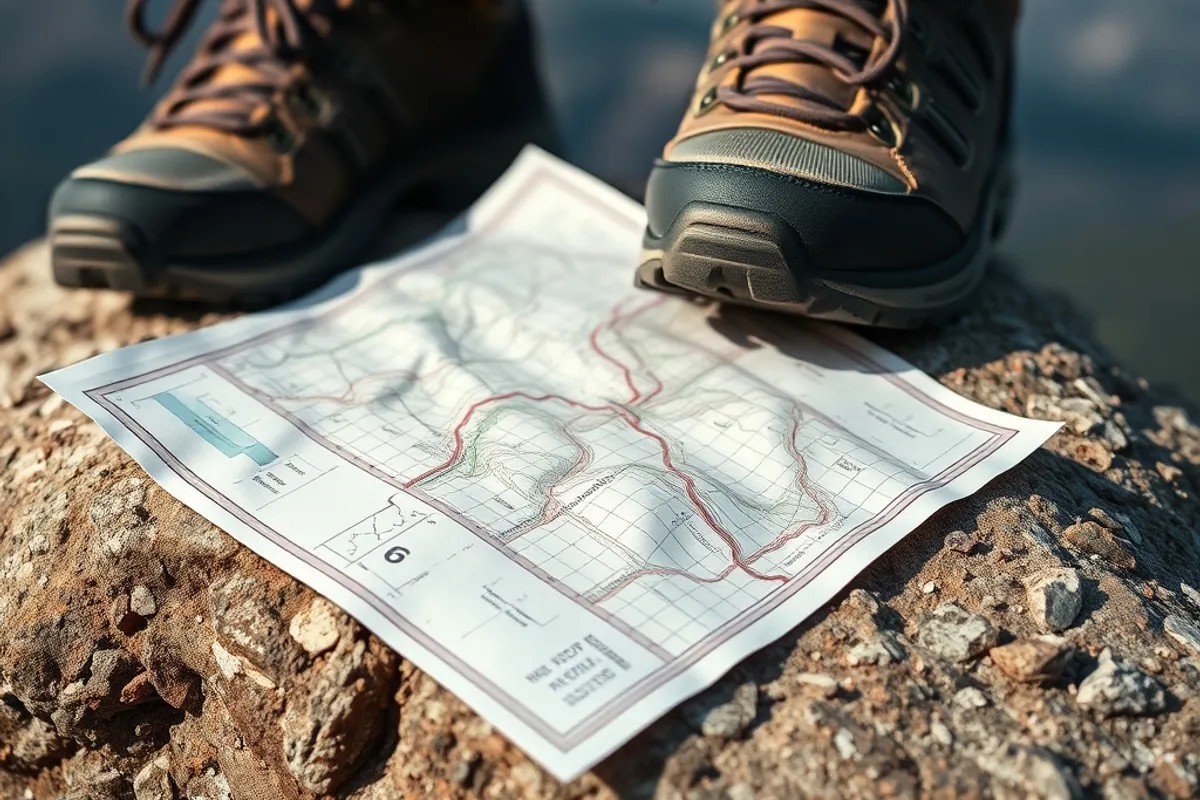
Torres del Paine charges an entry fee and, in peak season, expects you to reserve campsites and refugios in advance. The booking system opens months ahead and the best sites sell out first, so decide your route before you buy flights. Argentina's Los Glaciares National Park does not charge foreign visitors an entry fee, but the Fitz Roy area has no huts, which means a full camping kit.
Carry your passport for border crossings and keep a printed copy of every reservation. Rangers check bookings at the trailhead, and a screenshot that will not load with no signal is not proof. Cash in small notes is still useful for buses, kiosks and the odd campsite that does not take a card.
Routes worth your days
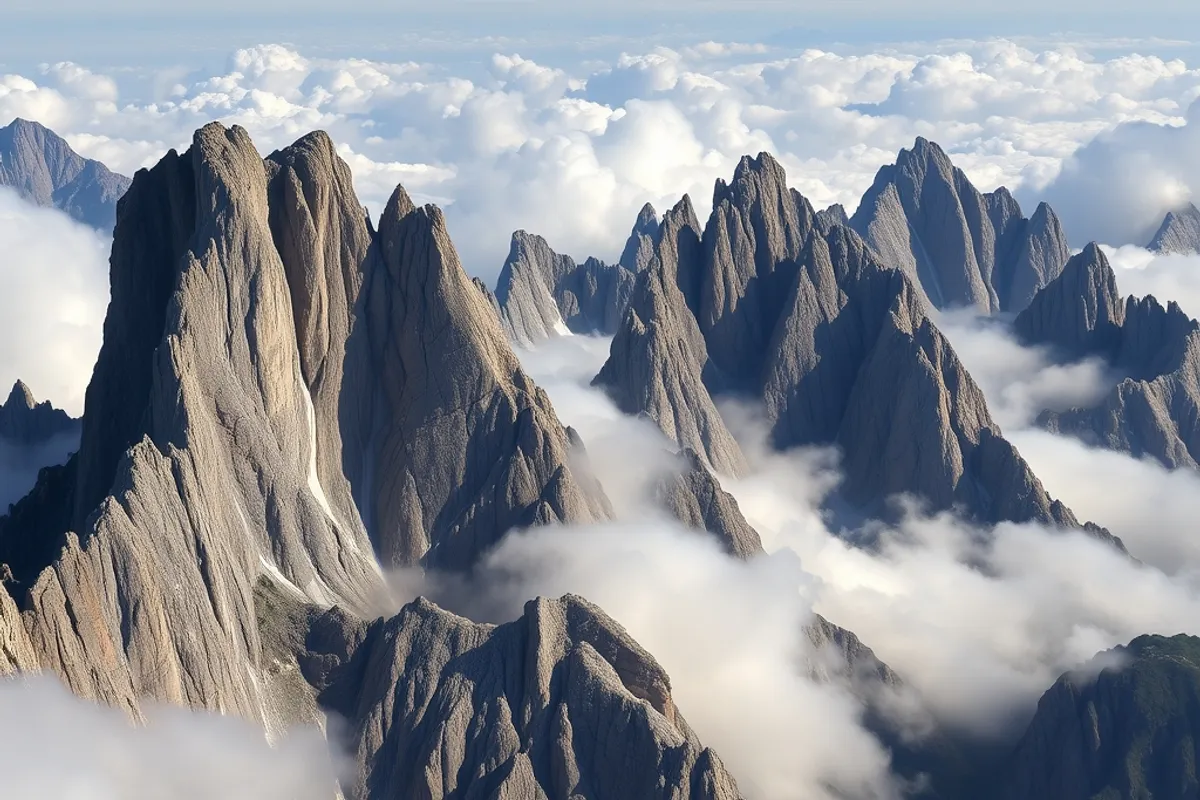
The W in Torres del Paine is the famous four-to-five-day route, and it earns the reputation: the Base of the Towers, the French Valley and Grey Glacier in one continuous walk. The full O circuit adds two days across the back of the massif and suits fitter walkers who want fewer people. On the Argentine side, the day hikes from El Chalten to Laguna de los Tres and Laguna Torre are the reason many people come at all.
If you have one week, choose the W. If you have two, add El Chalten and let the weather decide which day hike you take. My best day was the one I had not planned, when a clear window opened over Fitz Roy and the crowd thinned after the first hour.
Daily distances and fitness
Expect 15 to 22 kilometres a day on the multi-day routes, with a pack. The terrain is not technical, but the climbs are steady and the wind drains energy fast. Train with a loaded pack for a few weekends before you go; the people who suffer most are usually the ones who only walk on flat ground.
- The W: four to five days, 80 kilometres, two mountain passes.
- The O circuit: eight to ten days, with a wild, exposed back section.
- El Chalten day hikes: 20 kilometres return, 700 to 1,000 metres of climb.
- Grey Glacier viewpoints: short, but the wind makes them feel longer.
In Patagonia you do not beat the weather. You plan two versions of the day and decide at the trailhead.
What the trip costs
My two-week trip landed between 1,900 and 3,200 dollars on the ground, before international flights. Park entry, bus transfers, camp fees, hostel nights in the gateway towns and food added up quickly. Cooking your own meals saves the most; a restaurant dinner in Puerto Natales or El Chalten costs about what a full day of camp food does.
Flights into Punta Arenas or El Calafate are the largest single line and the one that rewards booking early. Domestic flights inside Chile and Argentina are cheaper than a long ground transfer once you count the lost days, but the bus is part of the experience if time is not the constraint.
Getting there and what I would do differently
I would book the campsites the day reservations open, carry a warmer sleeping bag than I thought necessary, and schedule one rest day per four walking days. I would also keep the first and last night in a real bed, which makes the return home less brutal.
For colder shoulder-season trips, our guide to wild camping in the Alps covers the kit decisions that overlap. If the plan is to recover in a city afterward, the eco hotel roundup for Europe lists small places where a clean bed and a decent breakfast are the whole point.