
Island hopping in the Caribbean sounds simple and is not. The distances are short on a map and long on the water, the ferries serve some channels and not others, and a cheap flight can strand you when the afternoon wind picks up. In 2026 I crossed five islands by boat and plane, and the logistics, more than the beaches, decided whether a hop was worth it.
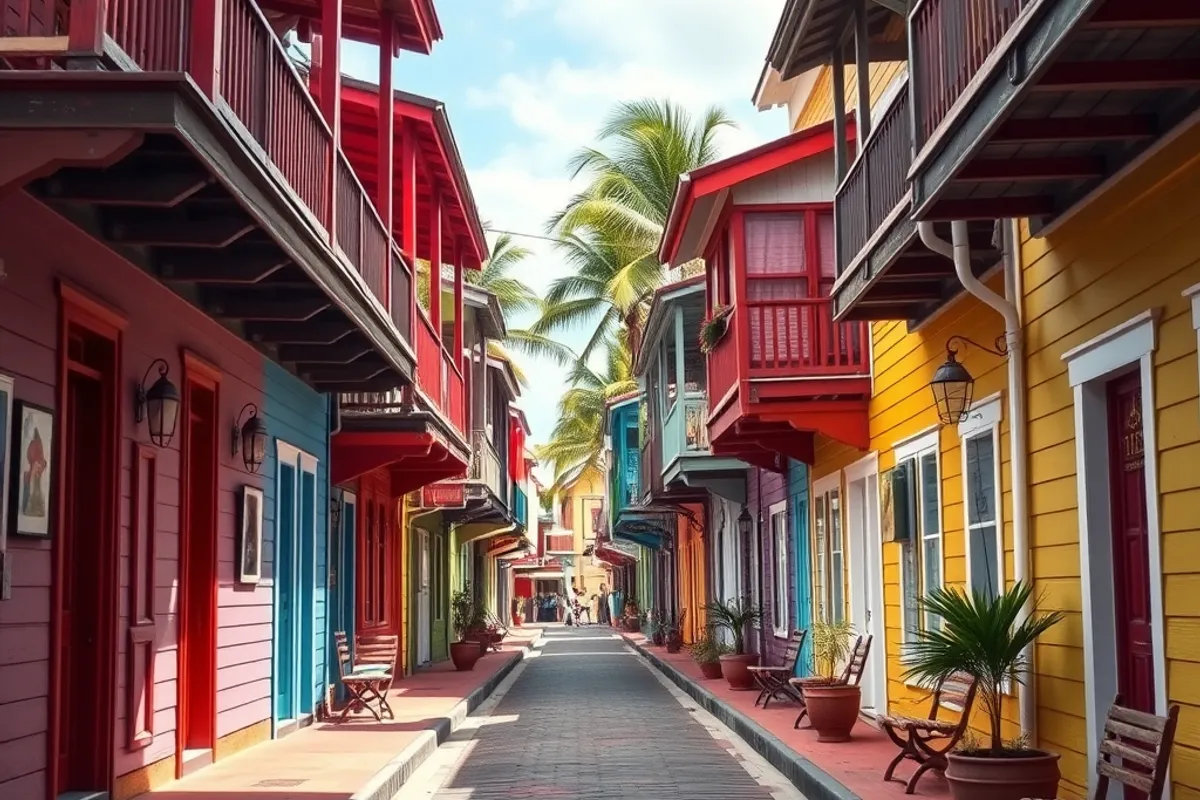
How the geography shapes your route
The Caribbean is not one chain. The northern islands, the Lesser Antilles and the southern group off Venezuela each have their own transport web, and crossing between webs usually means a bigger plane and a longer day. Pick one cluster and stay inside it; a route that spans two clusters spends more time in transit than on the sand.
The busiest ferry links sit between neighbouring islands with calm channels and steady demand. Where the channel is open to the Atlantic swell, boats are fewer, rougher and more weather-dependent, and the small planes take over.
Ferries: cheap when they run
A ferry is the cheapest and most pleasant way to hop when the route exists. The crossing times range from under an hour to four, and the tickets are a fraction of a flight. The trade-off is frequency: some routes run once a day, some only on certain weekdays, and some stop entirely in the low season.
Book the day-crossing when the sea is calmest and arrive early with a real ticket in hand, not a screenshot. Sailings are cancelled for weather more often than the schedule admits, so a flexible plan beats a tight one. I keep a buffer day before any onward international flight.

Small planes and water taxis
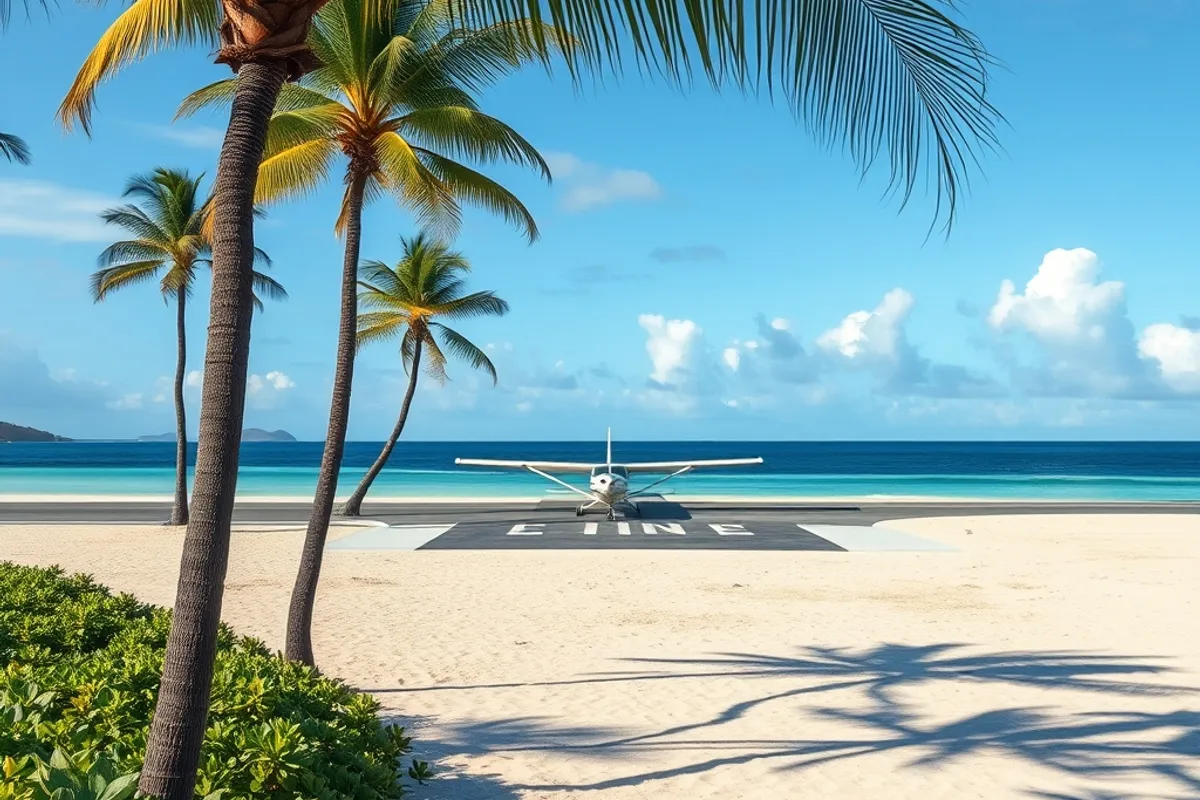
Where ferries do not reach, small aircraft fill the gap. Fares are higher and baggage limits are strict, often 10 to 15 kilograms, with soft bags preferred. Water taxis serve some resort clusters and private transfers, and they are priced accordingly. For a group they can be reasonable; for a solo traveller they rarely are.
- Ferry: 10 to 45 dollars for a typical inter-island hop.
- Small plane: 80 to 250 dollars, minus the extra for heavy bags.
- Water taxi: 40 to 200 dollars, depending on distance and island.
- Rental car: useful on bigger islands, pointless on the smallest.
In the Caribbean the sea decides the schedule. Build one spare day into every hop and the trip stops being a race against the boat.
Rates and where to sleep
The quiet islands offer the best value: 150 to 400 dollars a night for a small hotel or guesthouse, often with breakfast and a real beach within walking distance. The better-known resorts push the same category past 500. I found that staying on two islands in a week beat staying on four, because the unpacking and the transfers eat the days.
Book directly where you can. Small Caribbean hotels handle their own reservations, answer email and often match the platforms on price while giving you a clearer cancellation policy and a better room.
Best months and the storm season
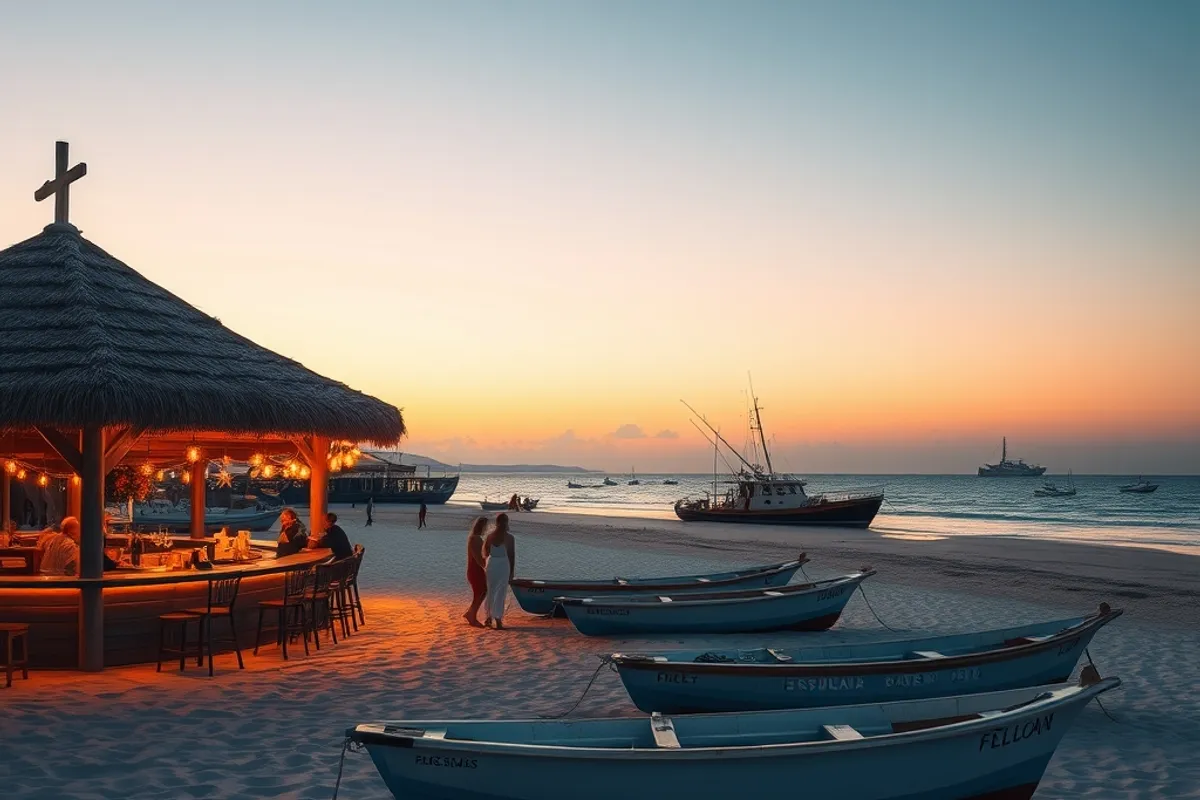
The dry, cooler stretch from December to April is the popular window and the priciest. May and early June bring fewer people and lower rates before the storms build. Hurricane season runs June to November and peaks in September, though a given island may be untouched for years. Travel insurance should be read before you book, because some policies exclude storms that were already forecast.
Check the outlook for your dates with the national forecast and ask the hotel what it does when a storm is named. A good answer includes a plan for refunds or rebooking; a vague one tells you to move on.
Food, money and island pace
Local food is the reward of hopping: grilled fish, rice and peas, roti and market fruit, at prices far below the resort menu. Carry small notes in several currencies, because some islands use dollars alongside their own, and change can be scarce. Cards are widely accepted in hotels and thin on the ground in village shops.
Tipping around 10 percent is normal where a service charge is not already added. Ask once, at the first stop, and the pattern holds for most of the trip.
Planning a route that works
Two islands in a week, three in ten days, is a comfortable pace. Put the busiest island first while you have energy and the quietest last for the wind-down, and keep all crossings in the morning. If the weather turns, the calm side of an island is often a short drive away, which is another reason to rent a car where the roads allow it.
If you are weighing a longer-haul beach trip instead, our Maldives versus Seychelles comparison covers two very different versions of an island holiday. For the city nights before or after, see the green hotel check-in guide for a lighter-footprint stay.