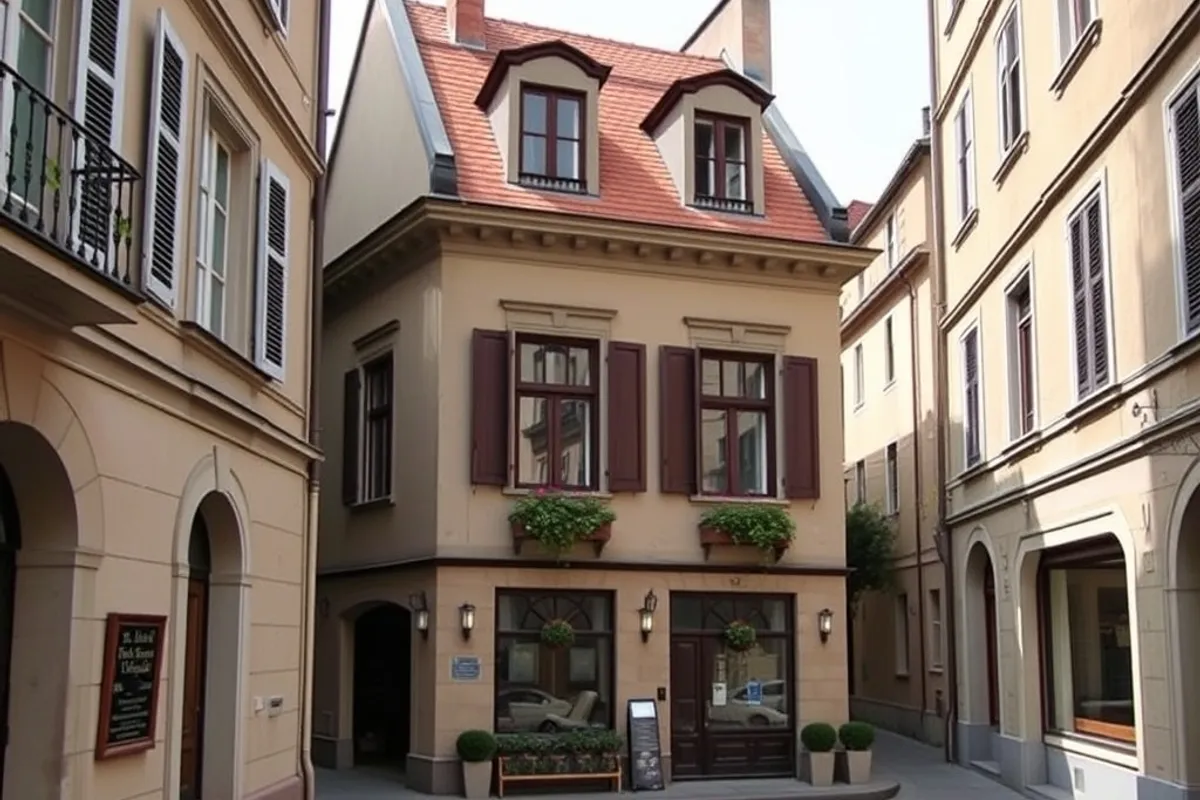
I spent five months checking into small European hotels that advertise some version of green, ethical or sustainable. Twelve of them could back the claim with something I could verify. The rest had a towel card, a bamboo key and no answers, which is how I learned to separate an eco hotel from a well-styled one.

What green actually means at a small hotel
The first question is not about solar panels. It is whether the building was renovated with what was already there, whether the furniture came from a local workshop, and whether the staff live within a reasonable commute. A restored townhouse that keeps its original windows and employs people from the neighborhood is often greener than a new glass box with a certification plaque.
I look for measurable things: a renewable electricity contract, water meters, separated waste, refillable bathroom products and a breakfast that uses nearby producers. None of those prove perfection. Together they show a system rather than a marketing sentence. If the only evidence is a leaf logo on the website, I keep asking.
What I paid in 2026
A standard double in Porto or Lisbon ran 140 to 220 euros in April and October at the small houses I checked. Copenhagen and Amsterdam sat between 190 and 280 euros, while Paris and Milan pushed past 300 for anything central. Every figure includes local tax and the breakfast I actually ate, not a promotional rate that disappeared at checkout.
Midweek stays were consistently cheaper. Shifting a city break from Friday to Tuesday saved me 90 euros across four nights in Lisbon and 70 euros in Copenhagen. If your dates are flexible, compare the same room across three weeks before you commit; the spread is usually larger than any loyalty discount, and a longer stay in one place beats two short hops by train.

Lisbon and Porto: value and local sourcing
Lisbon still offers the best ratio of character to price in western Europe. Principe Real and Santos have small townhouses with proper breakfasts, staff who draw on a map and owners who can tell you where the bread came from. Avoid the lanes immediately around Rossio if noise matters, because the late-night cleanup starts before you have finished sleeping.
- Lisbon: look between Principe Real and Estrela for quiet streets and 180-euro doubles.
- Porto: riverside houses in Miragaia cost less and feel more residential.
- Copenhagen: shoulder season brings 200-euro rooms and excellent breakfasts.
- Amsterdam: book outside the canal ring for space, calm and a better local rate.
Porto rewards a little walking. The best small hotels sit a block or two back from the river, where the tour groups thin out and the room rates drop. Ask whether the building has a lift before you book a top-floor room; many restored townhouses do not, and a fifth floor with a suitcase is not a green victory.
Where green claims fell apart
A Copenhagen house advertised zero waste and served breakfast in single-use plastic cups. A Milan property talked about local sourcing while the minibar was stocked with imported water and the air conditioning ran with the window open. One Lisbon hotel had a serious recycling system but no idea who cleaned the rooms or what they were paid.
Ask three questions before booking: where the electricity comes from, what happens to food waste, and whether the staff are employed directly or through an agency. Good hotels answer in detail. Evasive answers usually mean the sustainability page was written by someone who has never worked a shift there.
An eco hotel earns the label through operating decisions, not through the furniture in the lobby.

Breakfast, fees and the real bill
Breakfast ranged from a generous 12-euro buffet of local bread, cheese and fruit to a 28-euro plate with imported berries. I started checking the neighborhood instead. In Porto and Lisbon, a cafe breakfast cost less than half the hotel rate and put money into a business on the same street. In Copenhagen, hotel breakfast was often worth the money because the alternatives were just as expensive.
Read the cancellation terms before you celebrate a low rate. Several houses charged the full stay seven days out, and one added a 4 percent card fee that only appeared at check-in. A good rate is the total you pay, not the number at the top of the search result. Ask whether the city tax is included and whether a direct booking supports the same staff and suppliers.
Booking direct and asking better questions
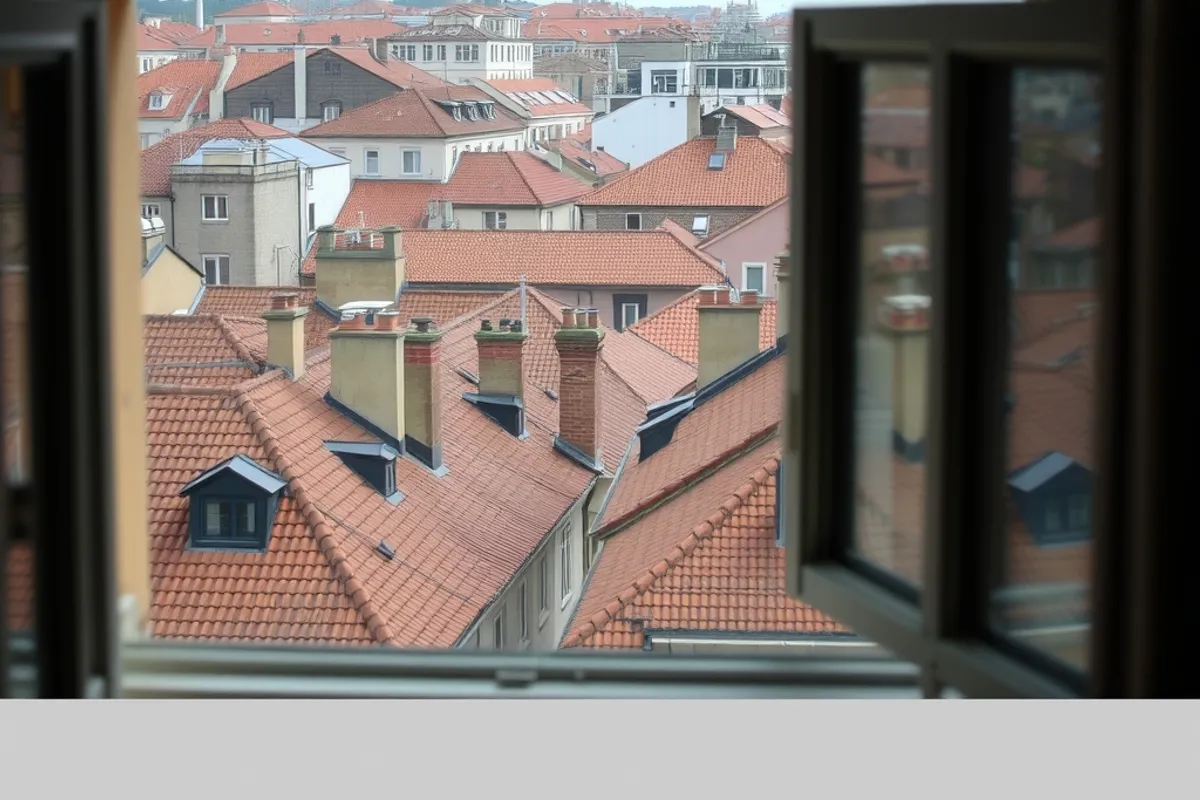
Independent hotels usually handle direct bookings themselves, and that gives you room to ask. I request a quiet room, confirm the check-in window by email and ask one sustainability question before I pay. The answer tells me more than the website: who runs the building, how the kitchen sources food and whether the green plan has a budget behind it.
Use the hotel page for rates, then compare the same room on one booking site to see whether breakfast or cancellation terms differ. Do not chase a five-euro saving if it costs you flexibility or sends the commission to a platform that adds nothing. For arrival habits, our green hotel check-in guide covers the requests worth making at the desk.
The verdict
The best eco hotels I stayed in this year were small, specific and run by people who answered their own email. None of them had the most dramatic lobby or the loudest sustainability page. All of them made the trip easier and kept more of the money local, which is the only green claim that survives checkout.
If you are choosing between a city and a coast for the same week, read our island beach comparison first. The National Weather Service outlook is a useful check before you pay a deposit on either.