Istanbul is two cities pretending to be one, split by the Bosphorus and joined by boats, bridges and a stubborn sense of continuity. In 2026 I stayed on both the European and Asian sides, rode the ferries like a commuter, and spent more time in the markets than in any single museum. This guide covers where to sleep, how to pay for transport, what things cost and how to move through the bazaars without getting fleeced.
Where to stay, and why the side matters
The European side holds most of the famous sights: the mosques and the old city around Sultanahmet, the nightlife and shops around Beyoglu and Galata. The Asian side, reached by ferry, is calmer, greener and cheaper, with a strong food culture in Kadikoy. Staying on both is the best way to understand the city.
I would spend the first nights near Sultanahmet to walk the landmarks before the crowds, then move to Kadikoy for the food and the quieter evenings. Hotels in the old city are convenient but often thin-walled; ask for a room away from the street and away from the call to prayer if early mornings bother you.
Ferries, trams and the transit card
The ferry is the cheapest and most pleasant way to cross the Bosphorus, and it doubles as a sightseeing trip. Buy a reusable transit card, top it up at a machine, and use it for ferries, trams, metro and buses. A single trip costs very little, and the card removes the need for exact change.
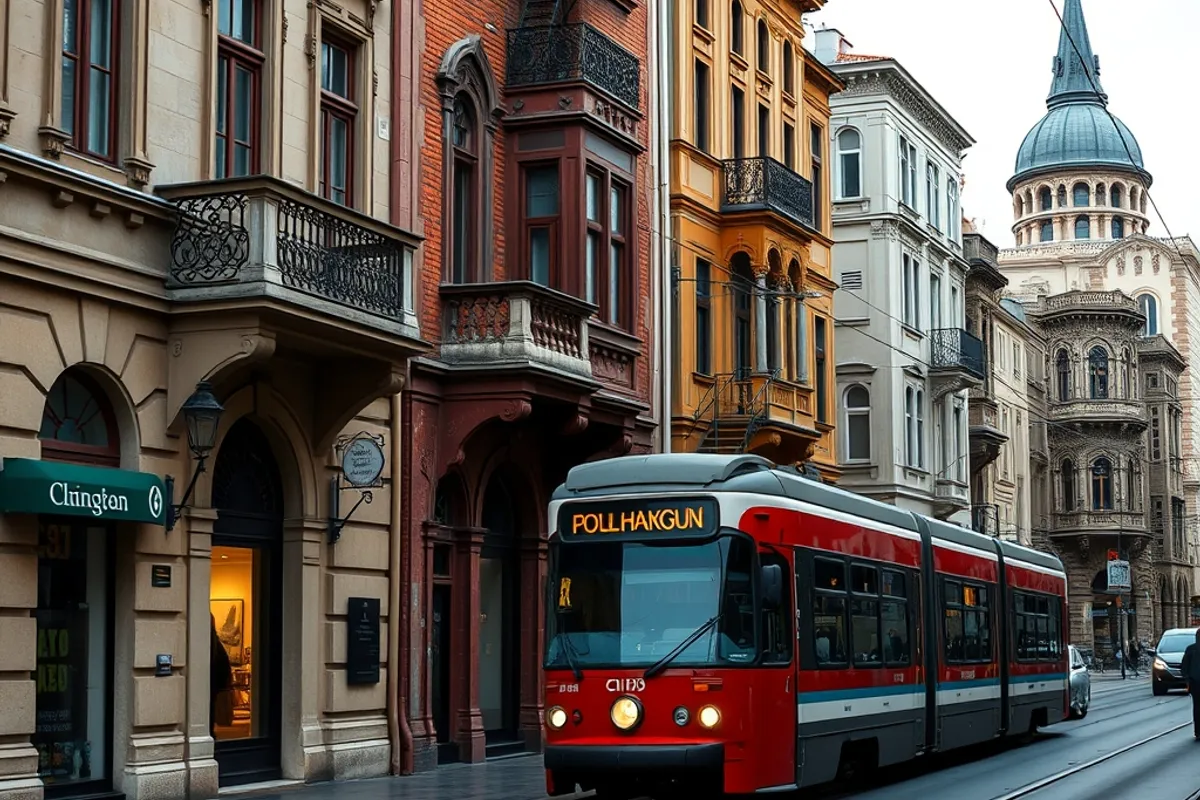
The tram through the old city is often packed but efficient for short hops along the main spine. Traffic in Istanbul can stall for an hour, so treat the road as a last resort and plan around the boats and the rails. Keep the card topped up; machines take notes and cards but not always the ones you carry.
Eating: from simit to a full table
Breakfast is a serious meal: cheese, olives, tomatoes, bread and endless tea. A simit from a street cart is a two-dollar light start, while a proper breakfast spread in Kadikoy can run for an hour. Lunch is often a kebab, a pide or a bowl of soup; dinner is where the table grows.
A full day of eating and sightseeing cost me 1,200 to 2,000 lira, including a good dinner and a couple of ferry rides. Street food and small lokantas keep the number down, and the quality is high if you follow the local queues. Drink the tea, try the Turkish coffee at least once, and leave room for dessert.
- Breakfast: a spread in Kadikoy with cheese, eggs and bread.
- Lunch: a grilled fish sandwich by the ferry terminal.
- Dinner: mezes, grilled meat or fish, and a shared dessert.
- Drink: ayran with food, tea all day, coffee for the ritual.
In Istanbul the ferry is not transport. It is the best fifteen minutes of the day, twice a day.
The bazaars: how to enjoy them
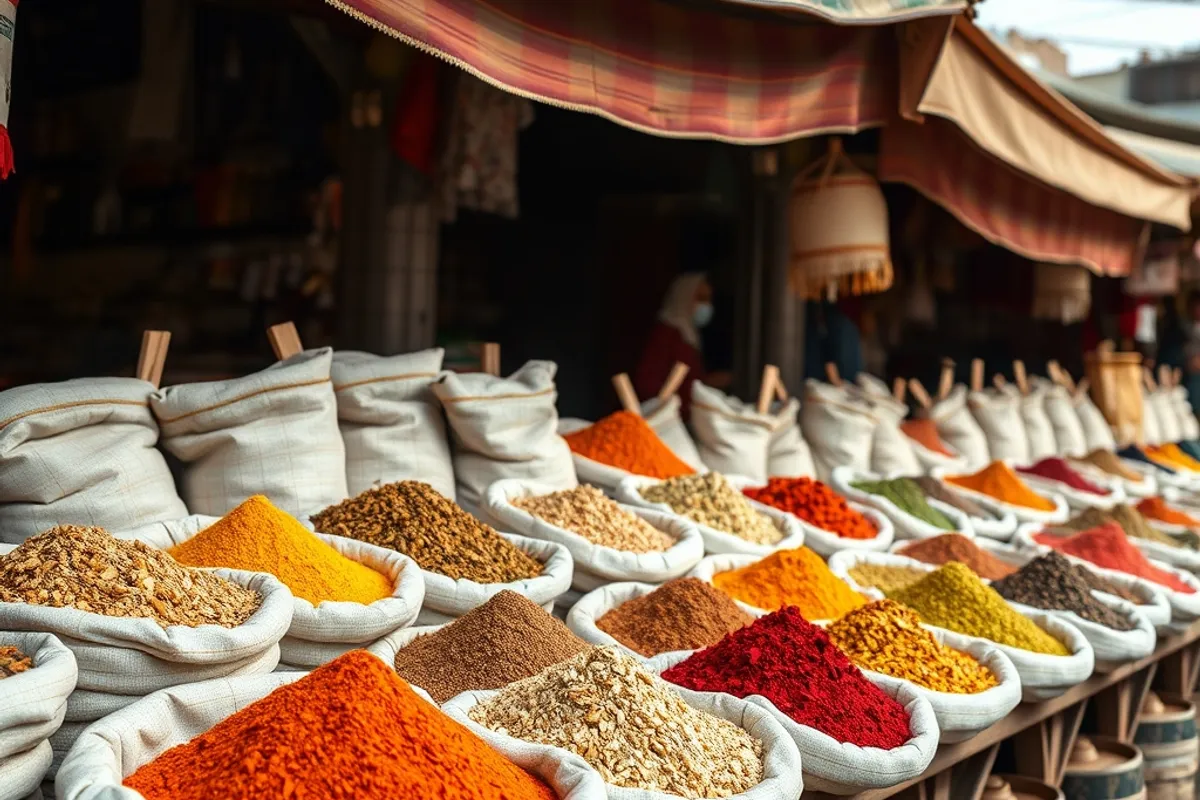
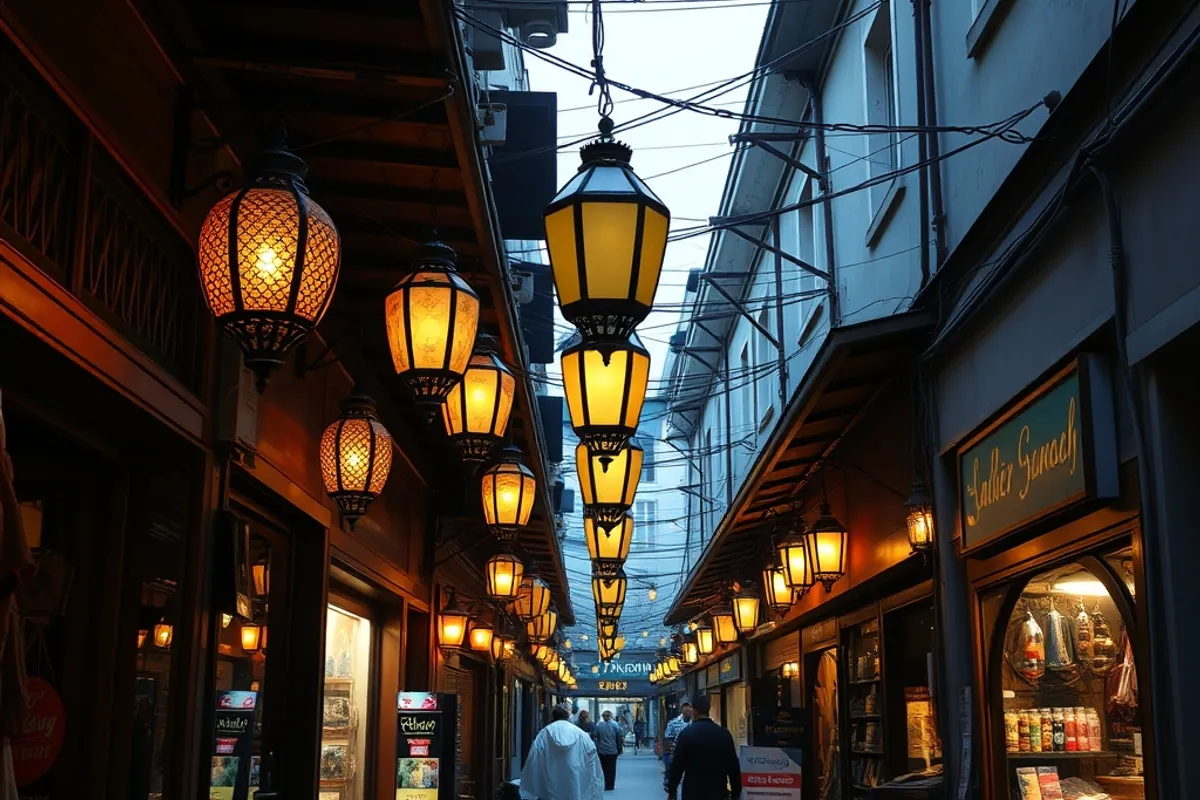
The Grand Bazaar and the Spice Bazaar are as much a spectacle as a shopping trip, and that is fine. Treat the first pass as a walk, note what interests you, and come back when you know the price. Vendors are skilled and friendly; a polite greeting and real curiosity get you further than a hard bargain opener.
Haggling is expected for carpets, ceramics and leather, not for food or fixed-price goods. Decide your budget before you start, do not feel obliged to buy, and walk away if the price does not move. If you are not sure what you want, buy nothing on the first day; the right piece will still be there tomorrow.
Sights, mosques and timing
The great mosques are free to enter and need modest dress and quiet; avoid prayer times and peak tour hours. Hagia Sophia, the Blue Mosque and the Topkapi Palace fit into a morning or a slow day. The Basilica Cistern is short and atmospheric, better when it opens than when it fills.
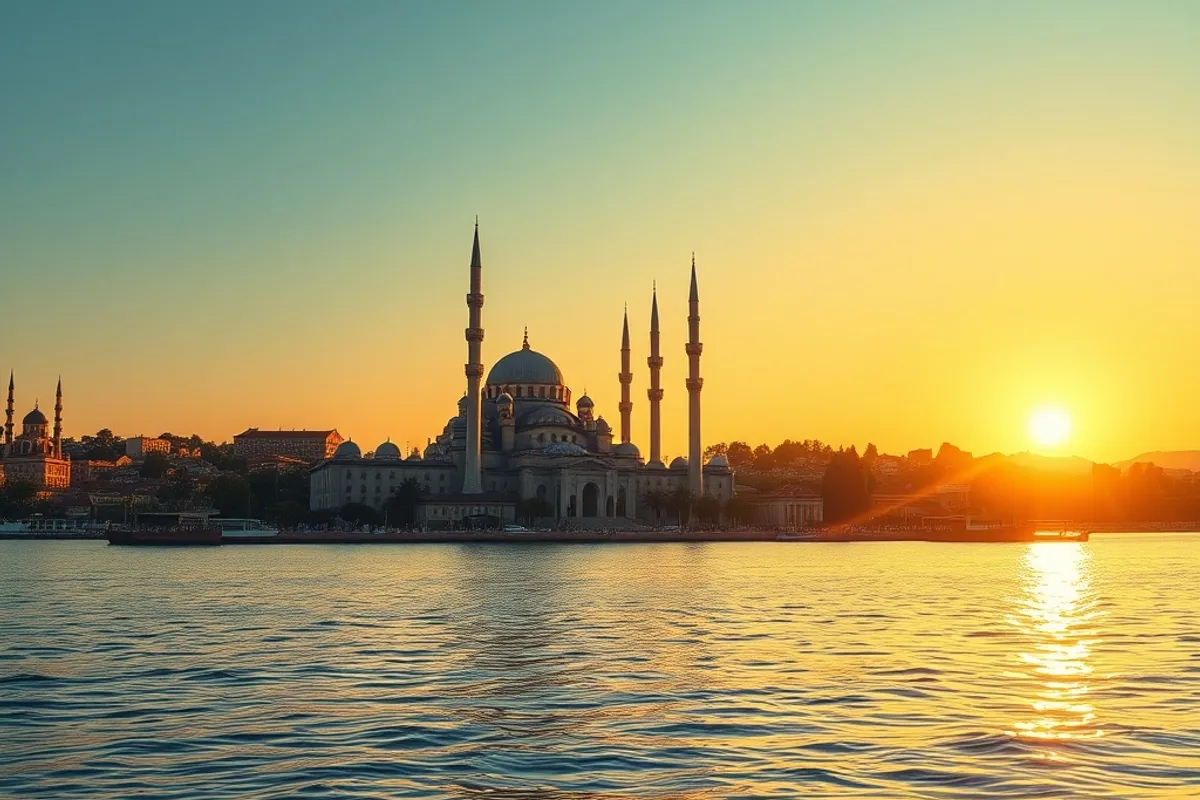
For views, the Galata Tower and the ferry decks do more than any rooftop bar. Sunset from a boat crossing to the Asian side is the memory most people carry home, and it costs the price of a ticket.

Money, safety and small habits
Cards work in most restaurants and shops, but carry cash for markets, trams and small cafes. Use bank ATMs, decline dynamic currency conversion, and keep a little change for tips, which are appreciated but modest. For basic travel health and safety notes, the Red Cross pages are a useful starting point.
Istanbul is busy rather than threatening, but the usual city rules apply: keep an eye on your bag in crowds, agree on a taxi fare or use an app, and ignore unsolicited help at the ferry terminals. The scams are ordinary and easy to sidestep once you have seen them once.
Day trips and a slower pace
The Princes' Islands, reached by ferry, are a car-free day of bicycles and quiet streets. The Bosphorus villages to the north make a pleasant half day, and the Asian shoreline has stretches of cafe-lined waterfront where locals spend their weekends.
If you compare this city with another that runs on markets and early starts, our Mexico City guide covers a very different set of habits. For a bed with a lighter footprint between sightseeing days, see the green hotel check-in guide.