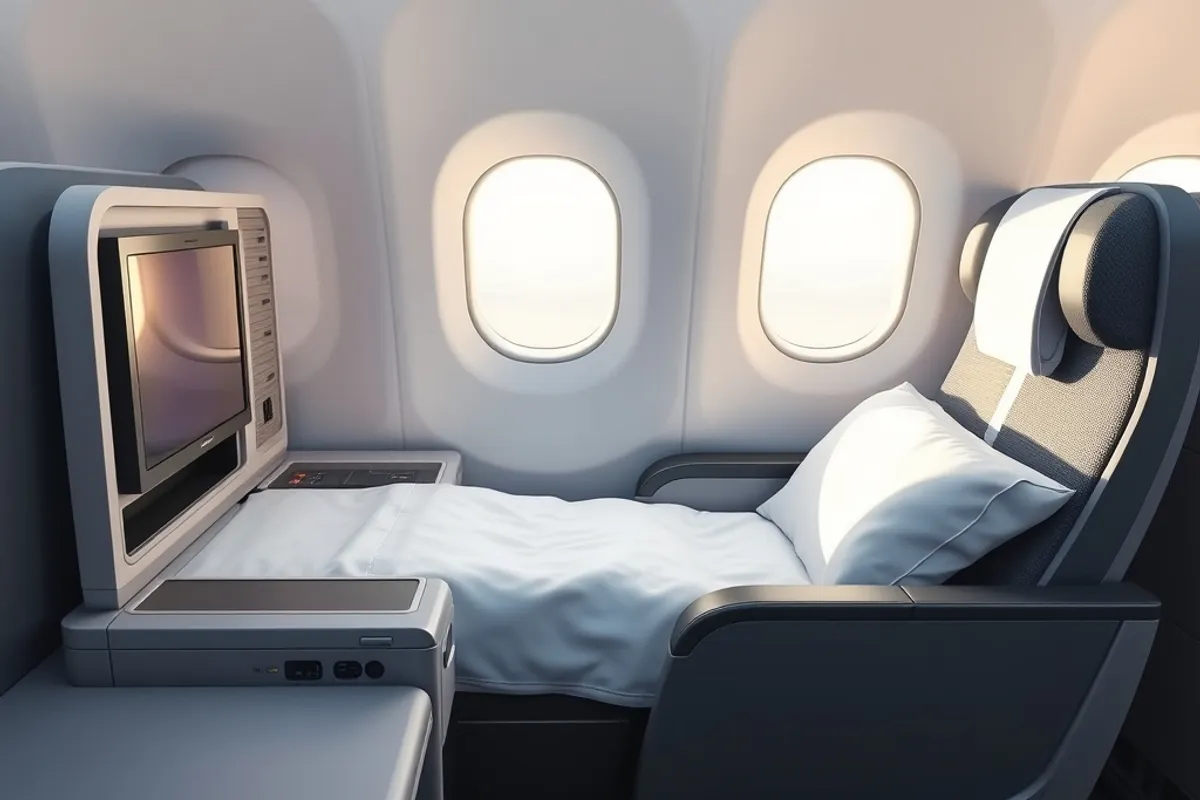
The jump from economy to premium economy is a few hundred dollars. The jump from premium economy to business class is often a few thousand. In 2026 I priced the same long-haul routes month by month and flew both cabins, and the decision comes down to when the flight is and what you need on arrival, not to which cabin looks better in a review.
The real fare gap in 2026
On the routes I tracked, premium economy cost about 1.6 to 2.2 times the economy fare, while business class ran three to five times economy and more on peak dates. That ratio matters more than the headline number: a business fare near three times economy on a quiet Tuesday is a different proposition from the same seat at five times the price before a holiday.
Always price the same dates and the same route across all three cabins. Airlines move inventory between cabins, so the gap you see in January may be gone in March. A fare alert is worth setting for the specific route rather than relying on a one-time search.
What premium economy actually buys
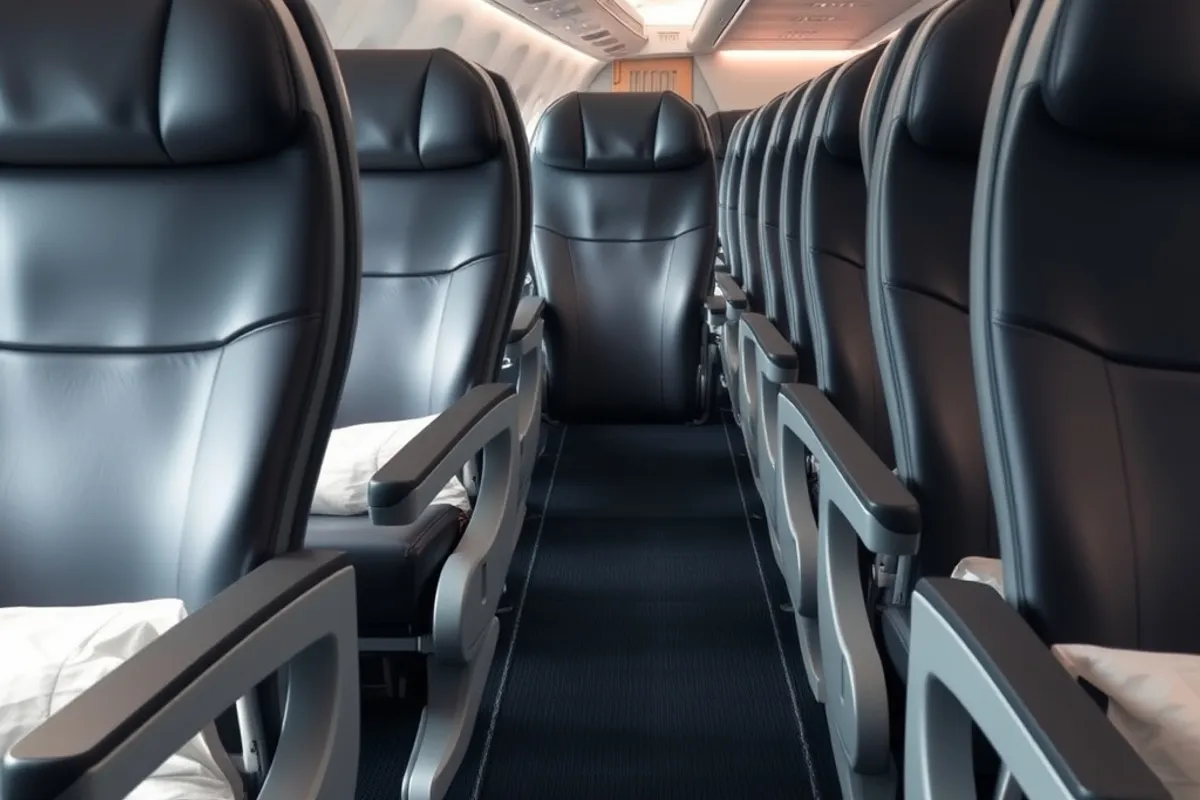
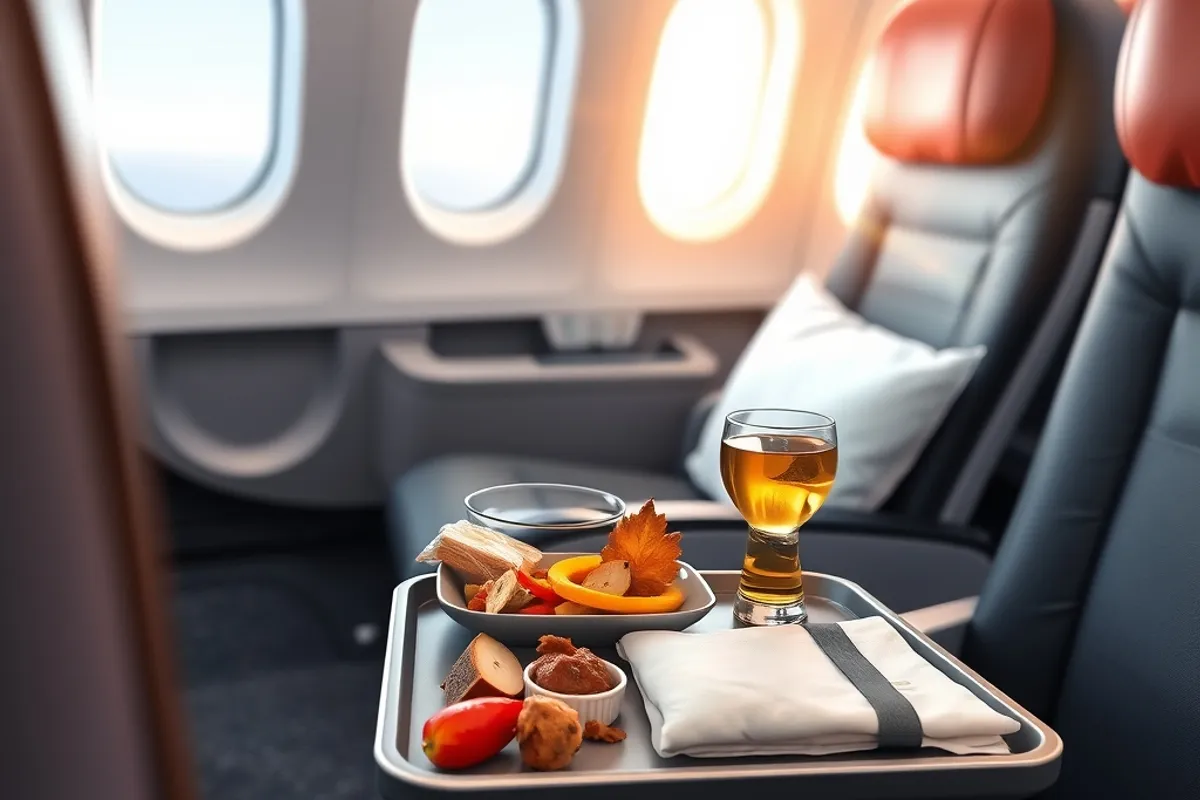
Premium economy gives you a wider seat, more recline, extra legroom and a better meal, boarded earlier with a more generous baggage allowance. On a daytime flight of six to nine hours, that is usually enough. The seat still sits upright for sleeping, and the cabin is still economy-adjacent, so noise and queues are only partly improved.
Where it earns its money is a busy route on a full flight, when the extra space protects your ability to work. Where it does not is the red-eye, because you still cannot lie flat and the morning arrives tired either way.
What business class actually changes
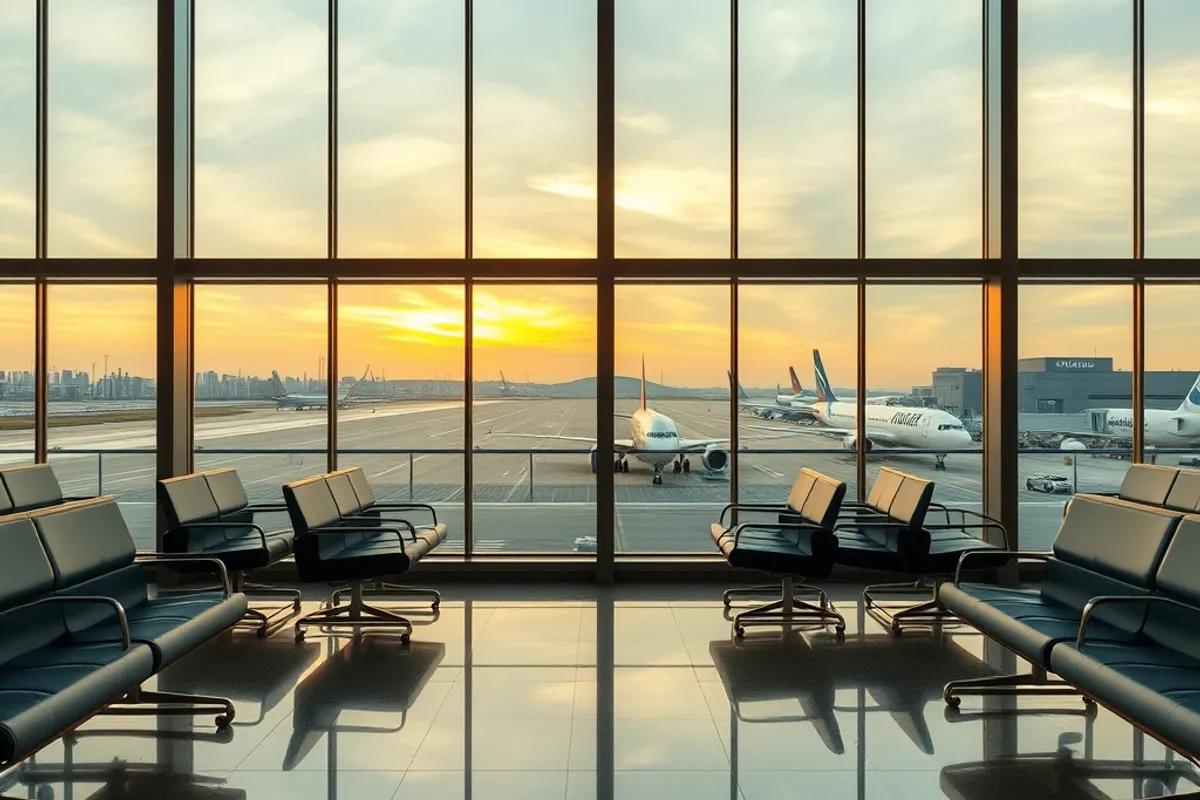
Business class changes two things that matter: a lie-flat seat for overnight flights and lounge access on both ends. A flat bed on a ten-hour red-eye can mean arriving ready to work, which is often worth more than the fare difference for a paid trip. Lounge access removes the airport scramble and gives you a quiet place to reset after a delay.
The rest is comfort rather than transformation: better food, a wider screen, priority boarding and faster bags. Nice to have, rarely decisive. If you cannot sleep on planes, a lie-flat seat helps less than the price suggests, and premium economy with an aisle seat may suit you just as well.
Buy the cabin that matches your flight time, not your ego. A day flight rarely repays business class; a red-eye often does.
Matching the cabin to the trip
- Daytime flight under eight hours: premium economy is enough.
- Overnight flight over eight hours: business class pays off if you must work on arrival.
- Short regional hop: economy, every time.
- Leisure trip with flexible dates: premium economy on a good sale beats a stiff business fare.
For a work trip where the client is paying, the calculation flips: a rested arrival is part of the job. For a personal trip, be honest about whether you will sleep, because a flat bed you cannot use is an expensive seat.
How to close the gap
Upgrades and bids can shrink the difference, though they are never guaranteed and rarely available on the dates you most want. Miles and points work if you have a balance, but value them against a cash fare rather than a fantasy redemption. Booking early helps in premium economy more than in business, where late inventory sometimes drops.
One reliable move is the split cabin: premium economy out on the daytime leg and business back on the overnight. That captures the sleep where it matters and saves the money where it does not. I use it often and have never regretted it.
Baggage, seats and the small print
Check the allowance before you compare fares. Premium economy usually includes a checked bag and a better seat selection; the cheapest economy fare often includes neither, which narrows the real gap. Add the bag, the seat and the change fee to both sides before you decide.
The same logic applies to connections. A cheap fare with a tight transfer and no protection is a business risk, not a bargain. If you want to plan the airport time itself, our airport layover guide covers how to choose a hub and how much time to leave.
My working rule
For a personal long-haul trip I book premium economy by day and business only when the overnight is unavoidable and the fare is under about three and a half times economy. For a work trip where arrival matters, business is worth an overnight flight and rarely worth a daytime one.
Check the weather at both ends before a tight connection, since a storm can erase the value of any cabin; the national forecast is a better guide than the airline's optimism. Before you commit, compare a city break at the far end: the Mexico City guide shows how far a modest hotel budget stretches once the flight is paid.