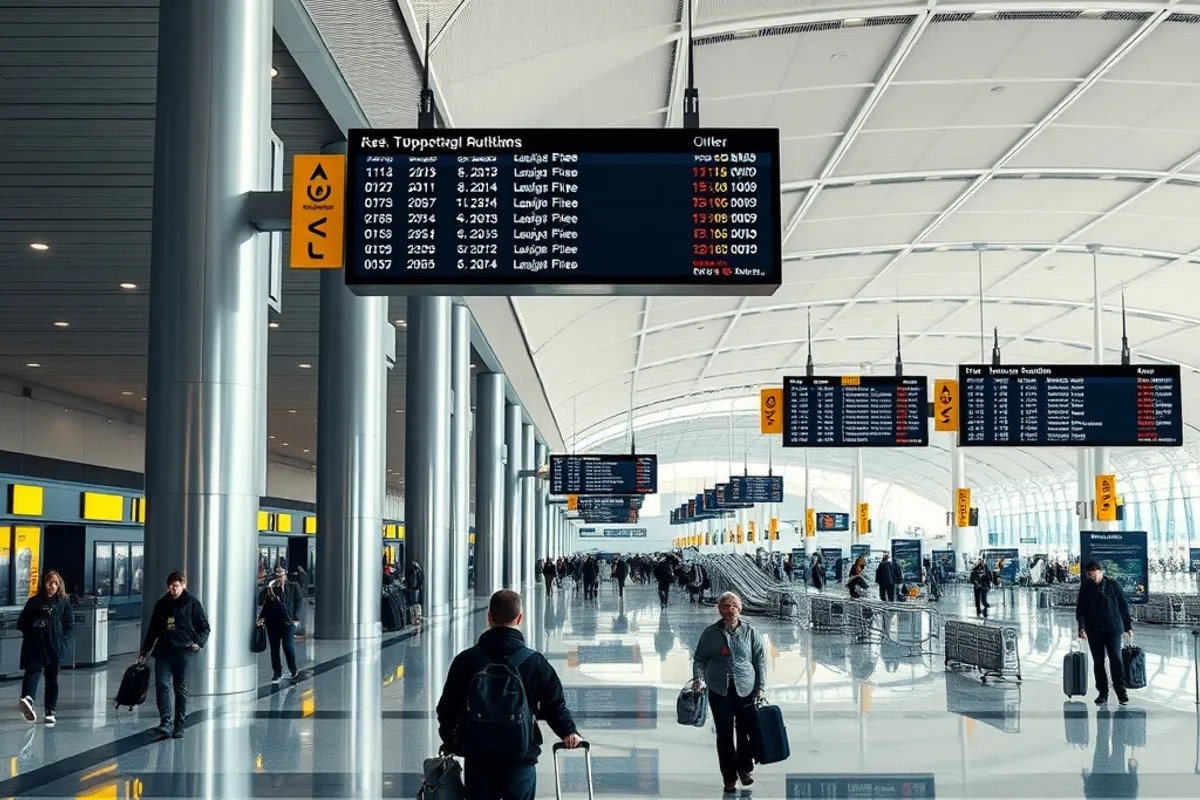
A layover is either the cheapest part of a trip or the reason it falls apart, and the difference is planned in advance. In 2026 I logged more than a dozen connections across Europe, the Gulf and North America, and the airports that worked were the ones where the bags moved and the delay messages arrived early. This is how to choose a connection you can trust.

Protected versus separate tickets
The single most important decision is whether the connection is protected. On one ticket, the airline is responsible for rebooking you if the first flight is late. On two separate tickets, a delay is your problem, and a missed second flight is money gone. The cheap option is only cheap until it fails.
If you must self-connect, leave a full day between flights rather than ninety minutes, and never do it on the way to a time-critical event. I treat separate tickets as two trips that happen to share an airport, and I price the risk into the choice.
Minimum connection times that are realistic
The published minimum connection time is the fastest a passenger can walk it, not a comfortable target. Add margin for the terminal change, a security recheck and the gate closing early. On a protected connection, 90 minutes is workable at an efficient hub and risky at a sprawling one; two hours is a better default.
- Same terminal, same airline: 90 minutes is usually enough.
- Terminal change with a train: two hours, plus.
- International to domestic with immigration: two and a half hours.
- Self-transfer on separate tickets: a full day.
The cheapest connection is the one you actually make. A protected two-hour transfer beats a nail-biting fifty minutes every time.
Judging a hub by what matters
A good hub transfers bags reliably, tells you about delays early and keeps its terminals walkable. Lounge decor is a footnote. I check recent on-time performance, the physical layout and whether the airport has airside transit without re-clearing immigration. A hub that forces you through a border for a same-day connection adds risk for no benefit.
Weather matters too. Airports with a known winter fog or summer storm pattern deserve a longer buffer, and a connecting city that frequently delays is worth avoiding on a tight schedule. The national forecast and the airline's own delay history both help before you book.
Surviving a long stop
A six-hour layover is fine with three things: a shower, a quiet seat and a plan. Many hubs sell lounge day passes with showers, and a few have pay-per-use transit hotels inside security. Book the shower early; the good ones fill up on the evening bank of departures.
For anything over eight hours, consider leaving the airport if the city is close and the visa situation allows it. A short trip into town resets the whole journey, though you must leave time for the return through security. If the airport is remote or the connection is short, stay airside and treat the stop as a working block.

Bags, gates and the small stuff
Keep essentials in your carry-on: a charger, a change of shirt, medication and a copy of your documents offline. A gate change is the norm at large hubs, so watch the screens rather than the boarding pass. If the first flight is late, head to the transfer desk before the queue builds, not after.
If a delay looks likely, use the airline app to rebook before you land. The passengers who move fastest are the ones already holding a new boarding pass by the time the aircraft parks. For the cabin that makes a long overnight bearable, our business versus premium economy guide covers where the money is worth spending.

Making the stop work for you
A well-chosen layover can turn a transit penalty into a break. A stop in a city you know is a chance to eat properly and walk; a stop in a hub with a transit hotel is a chance to sleep. The trick is to design the day rather than endure it.
If the layover lands you in a city worth seeing, treat it as a bonus: our Istanbul city guide and the notes on Mexico City assume you have a full day, but even an afternoon in either is better than a plastic chair.